
news
September 10, 2026
Traveling with a young child often involves more than one type of transportation. A family may drive to the airport, fly for several hours, pick up a rental car, and then continue on to a hotel. That means the right travel car seat needs to solve two problems at once: provide an appropriate restraint for the child’s current stage while remaining manageable enough to travel with.
The word “travel” does not change the safety function of a car seat. No matter how lightweight a seat is, it still needs to match the child’s height, weight, direction of use, and the type of transportation involved.
Here is how to prepare for each stage of your trip.
A common mistake is choosing the lightest car seat first and only afterward checking whether it is appropriate for the child.
Start by identifying your child’s current stage:
Only after that should you compare weight, width, installation methods, and portability.
A good travel car seat does not necessarily have to be the smallest option. It should be easy enough to use that parents can install it correctly even in an airport parking lot, an unfamiliar rental car, or when traveling under time pressure.
Check these four things before packing:
Review the seat’s labels and instruction manual to confirm:
Do not assume that every product labeled “car seat” is automatically approved for aircraft use.
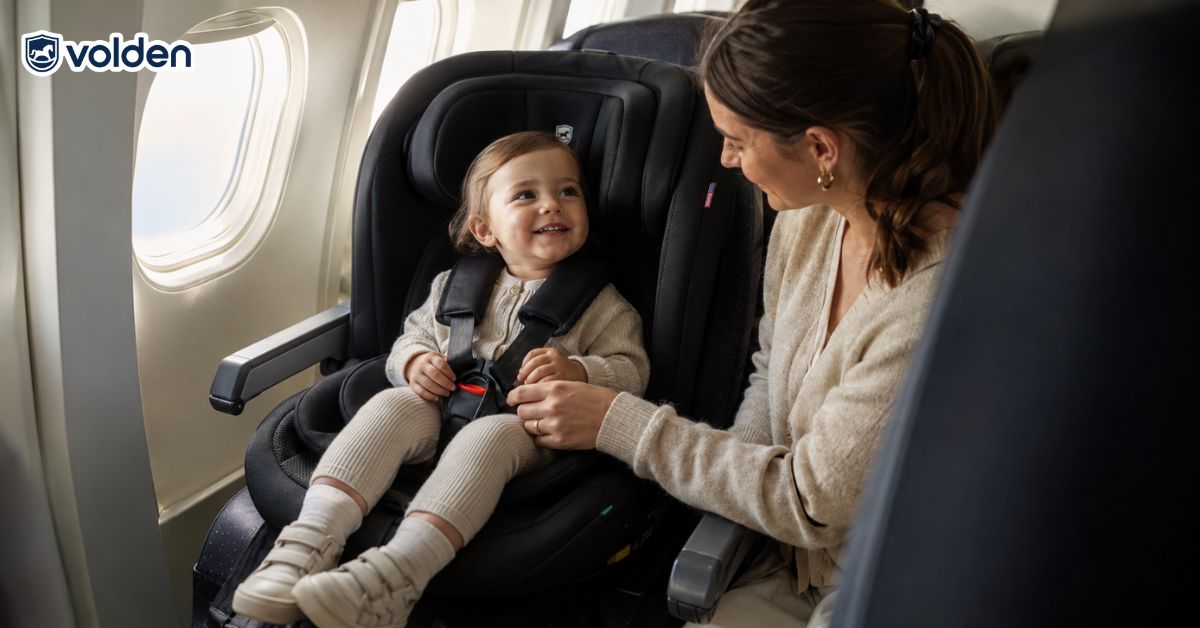
If you plan to have your child use a car seat on the airplane, check the certification label before arriving at the airport.
For a restraint that is certified for use in both motor vehicles and aircraft, the label on the product should clearly indicate that it is approved for aircraft use under the applicable requirements.
This is important because airline staff may ask parents to confirm that the seat is approved before allowing it to be installed.
If your child will use a child restraint system, or CRS, during the flight, the child will need their own passenger seat.
Before departure, check the airline’s policies regarding:
Many families prefer a window seat because the child restraint is less likely to block another passenger’s access to the aisle.
This is one of the most common areas of confusion for parents.
Booster seats are designed to work with a vehicle’s lap-and-shoulder belt. Airplane passenger seats use a different restraint system.
Booster seats are not used as child restraints during taxi, takeoff, and landing. If your child is already in the booster stage, plan separately for air travel and ground transportation rather than assuming the booster will be used the same way on the airplane as it is in a car.
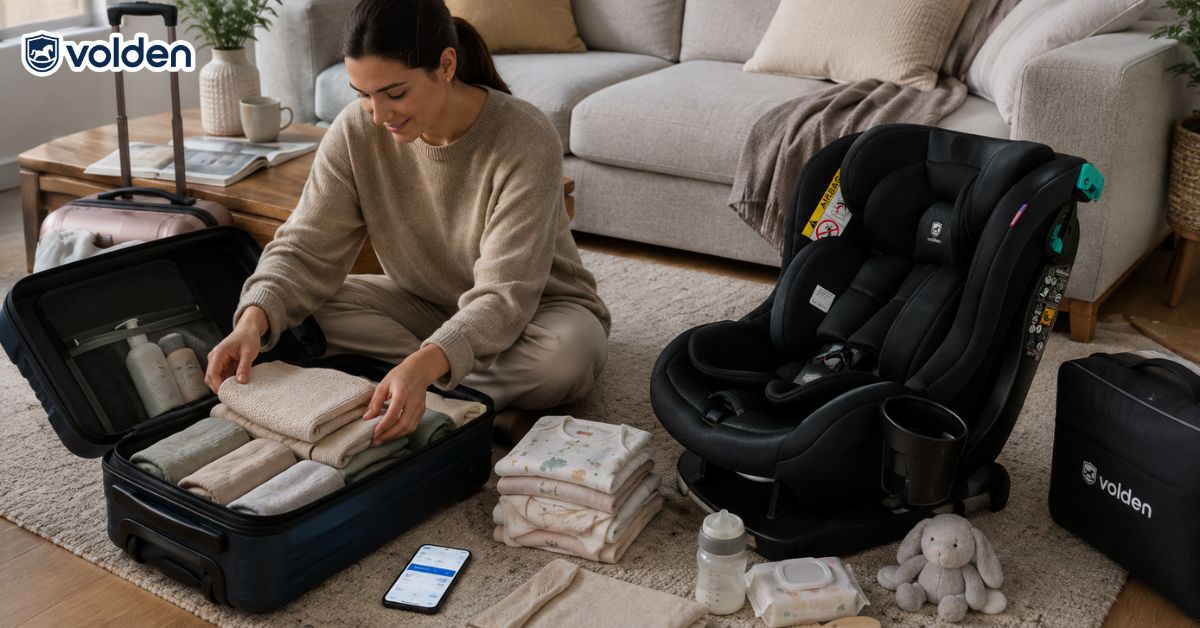
A travel car seat may be easy to install but still difficult to carry if you do not plan ahead.
Families may consider:
Avoid hanging excessive luggage from the seat or using accessories that could damage its structure.
If the car seat must be checked as luggage, protect it from damage and inspect it carefully before using it again at your destination.
This decision usually involves balancing convenience with control.
The biggest advantage of bringing your own seat is that you already know its history, usage limits, and installation method.
You can also practice installing it with the vehicle seat belt before the trip. This can be useful because your rental car may be very different from the vehicle your family normally drives.
If you bring your own seat, consider saving a digital copy of the instruction manual on your phone.
Renting a car seat at your destination can reduce the amount of luggage you need to carry, but it also requires additional inspection when you pick up the vehicle.
Before leaving the rental lot, check:
If you cannot determine how to use the seat correctly, ask for a replacement before leaving.

A road trip may involve several hours in the car, so convenience should never lead to temporary or incomplete installation.
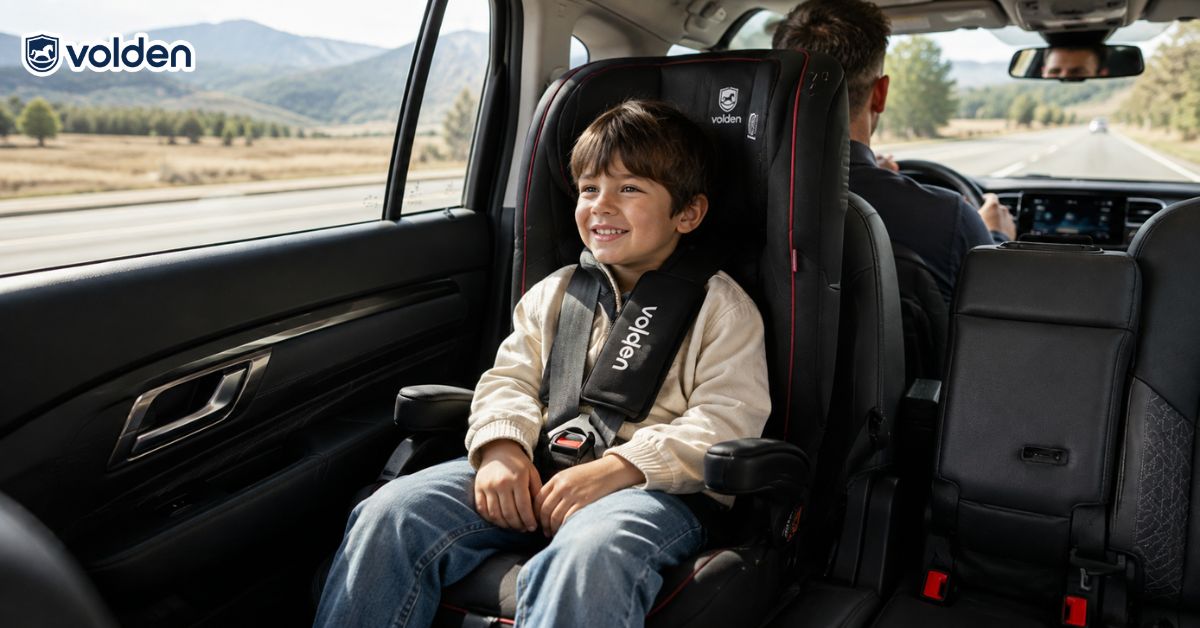
Before driving, check the belt path, harness, or seat belt positioning according to the mode in which the seat is being used.
For children using a harness:
For children using a booster:
It is also helpful to plan reasonable breaks instead of trying to keep a child seated continuously just to reach the destination faster.
When two seats are both appropriate for your child, travel-related features can help you decide between them.
A practical travel car seat should offer:
If you have to walk through a large airport terminal, a difference of a few pounds can have a noticeable impact on convenience.
However, do not sacrifice proper fit, usage limits, or installation quality just to reduce weight.
A compact seat can be easier to fit on an airplane and in smaller rental cars.
Check the actual product dimensions instead of relying only on photos.
While traveling, you may need to install the seat in a sedan one day and an SUV the next.
Clear belt paths, easy-to-read labels, and a simple installation process can reduce the chance of mistakes.
Snacks, drinks, and long travel days can make a travel car seat dirtier than one used only for everyday driving.
Removable, washable fabric can be a valuable convenience.
Before every trip, parents should confirm three things: the child still fits within the seat’s usage limits, the seat is compatible with the transportation being used, and the parent or caregiver can install it correctly according to the instructions.
Once those three factors are covered, choosing a lightweight and convenient travel car seat can make the entire trip easier for the family.
Volden wishes every family a safe and successful journey.