
Multi-axis load distribution
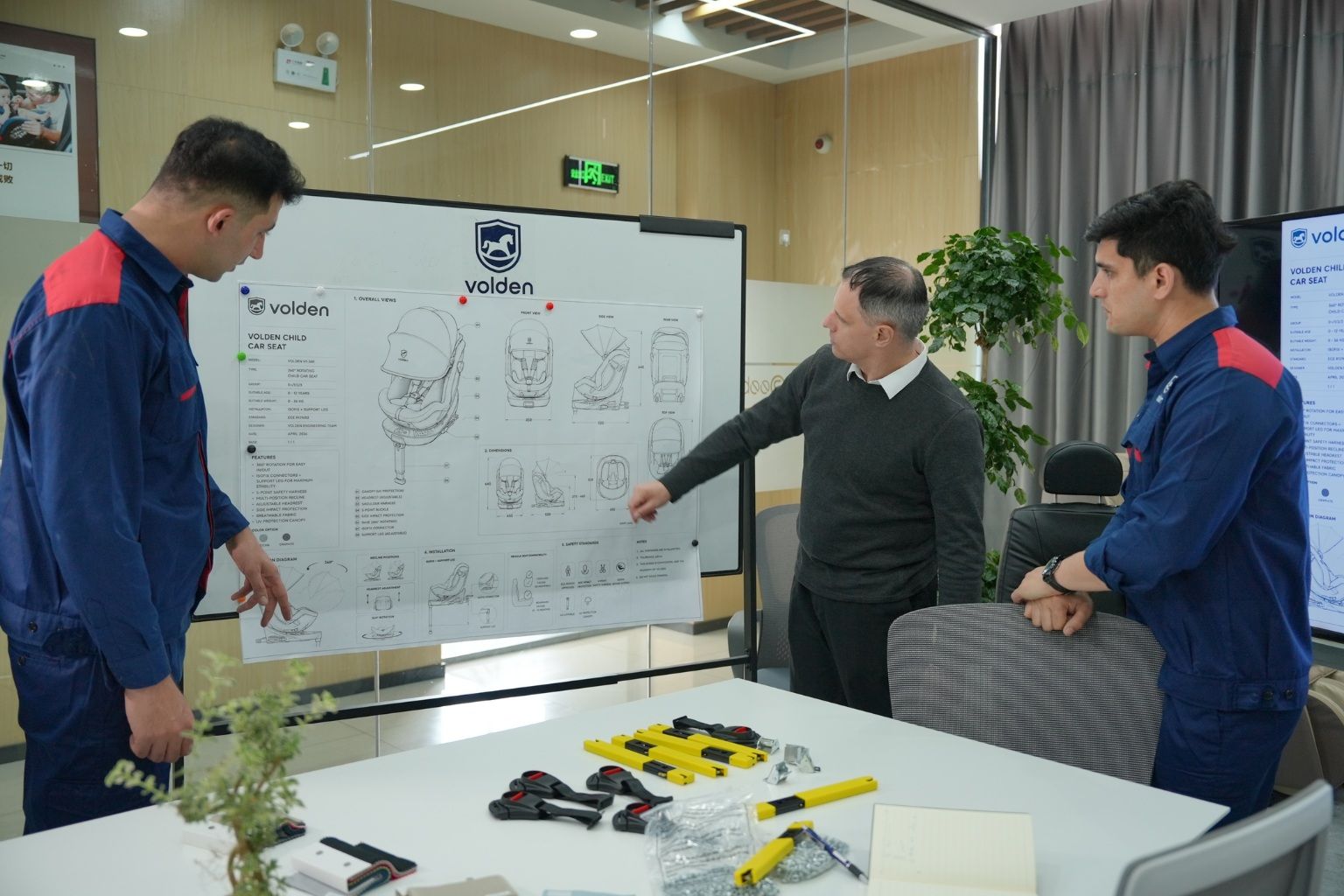
Protection engineered as a system.
Structure defines protection.
The Volden restraint structure is modeled using dynamic crash simulations exceeding 120,000 scenario permutations across frontal, lateral, and oblique impact vectors.
Key design parameters include:
• multi-axis load distribution
• controlled deformation zones
• reinforced lateral support structures
This geometry ensures that impact forces are guided away from the child’s head, neck, and spine during sudden deceleration events.
Protection begins with structure.
Multi-axis load distribution

Controlled deformation zones
Reinforced side-support structure
During crash sequences, instability between seat and vehicle frame can amplify secondary motion.
Volden systems incorporate a three-point anchoring architecture combining:
This configuration maintains seat alignment during high-force events, minimizing rotational movement and improving restraint performance.
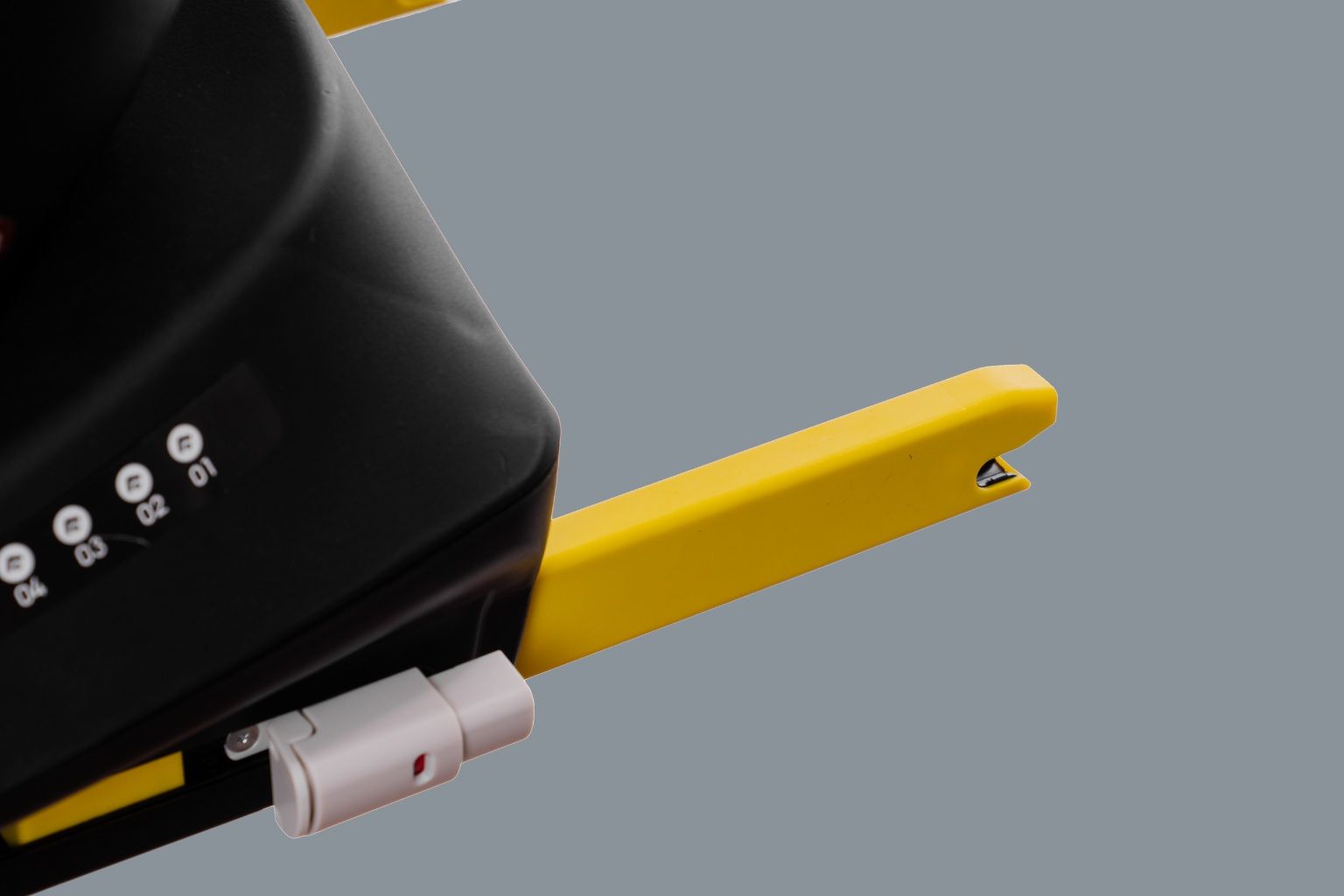
Directly connect to the vehicle frame, helping secure the seat firmly and reduce installation errors.
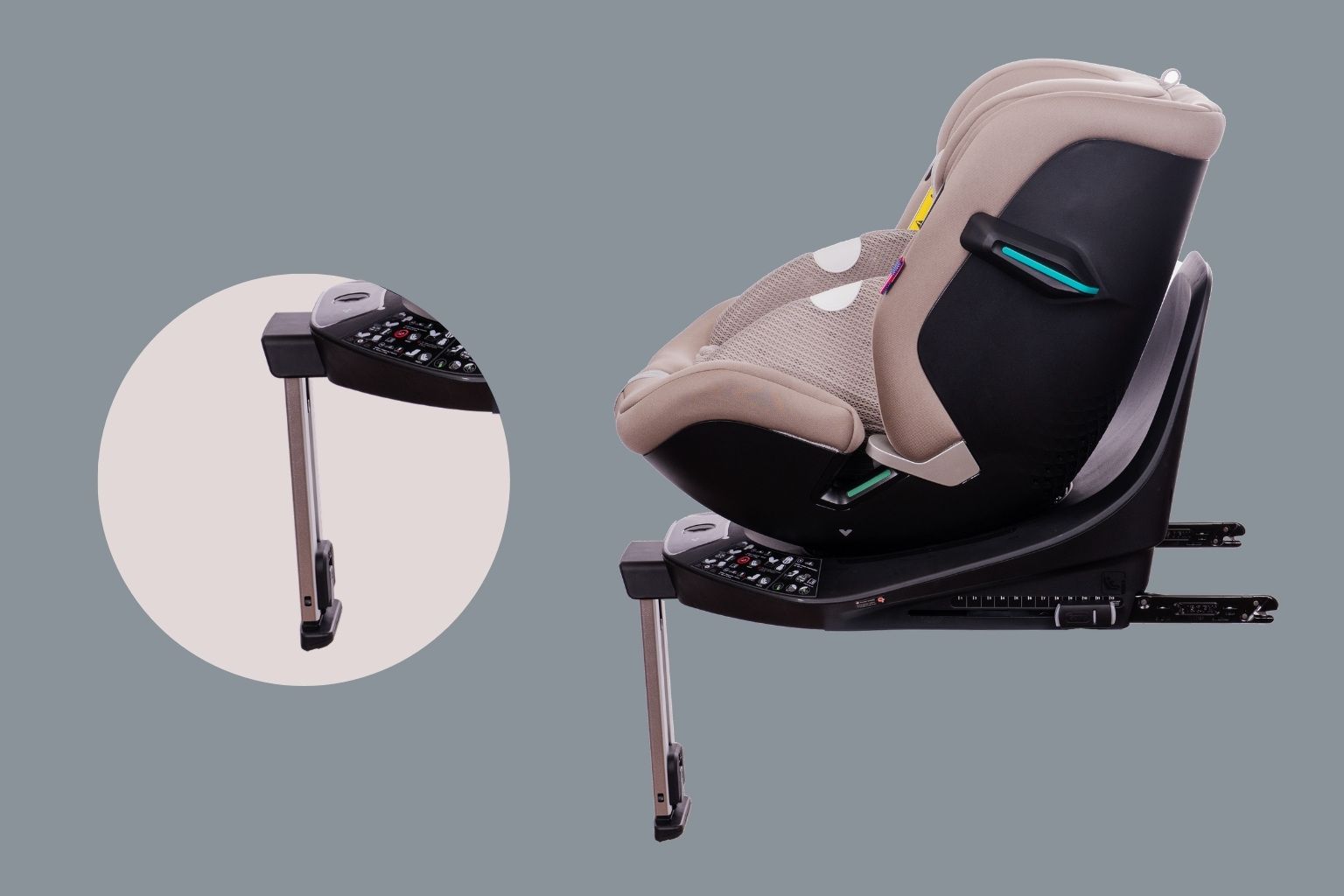
Helps keep the seat stable by limiting rotational or forward movement when subjected to impact forces.
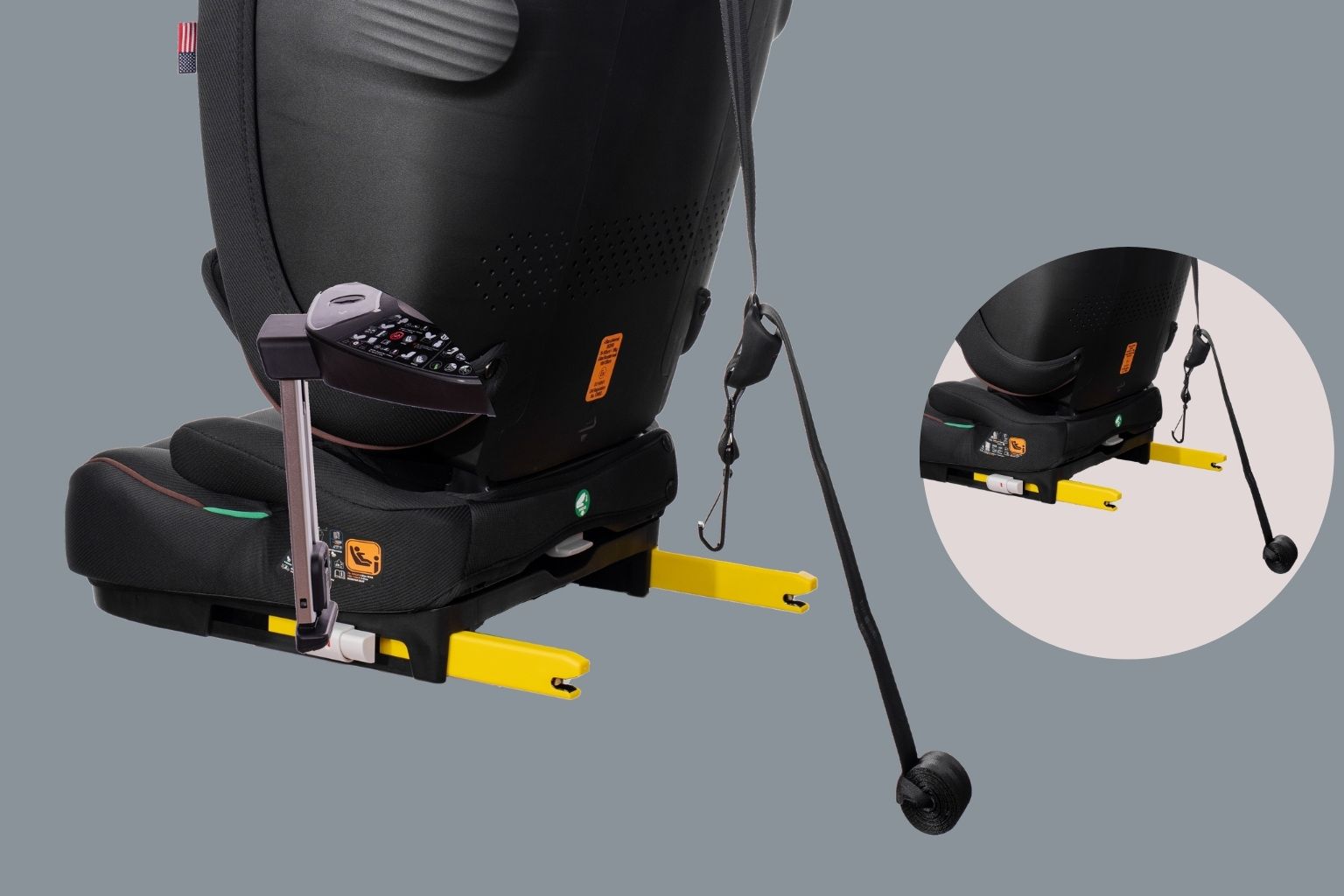
Provides additional upper-seat restraint, helping reduce movement and improve child protection during an impact.
Between infancy and early childhood, body mass can increase by 300–400%.
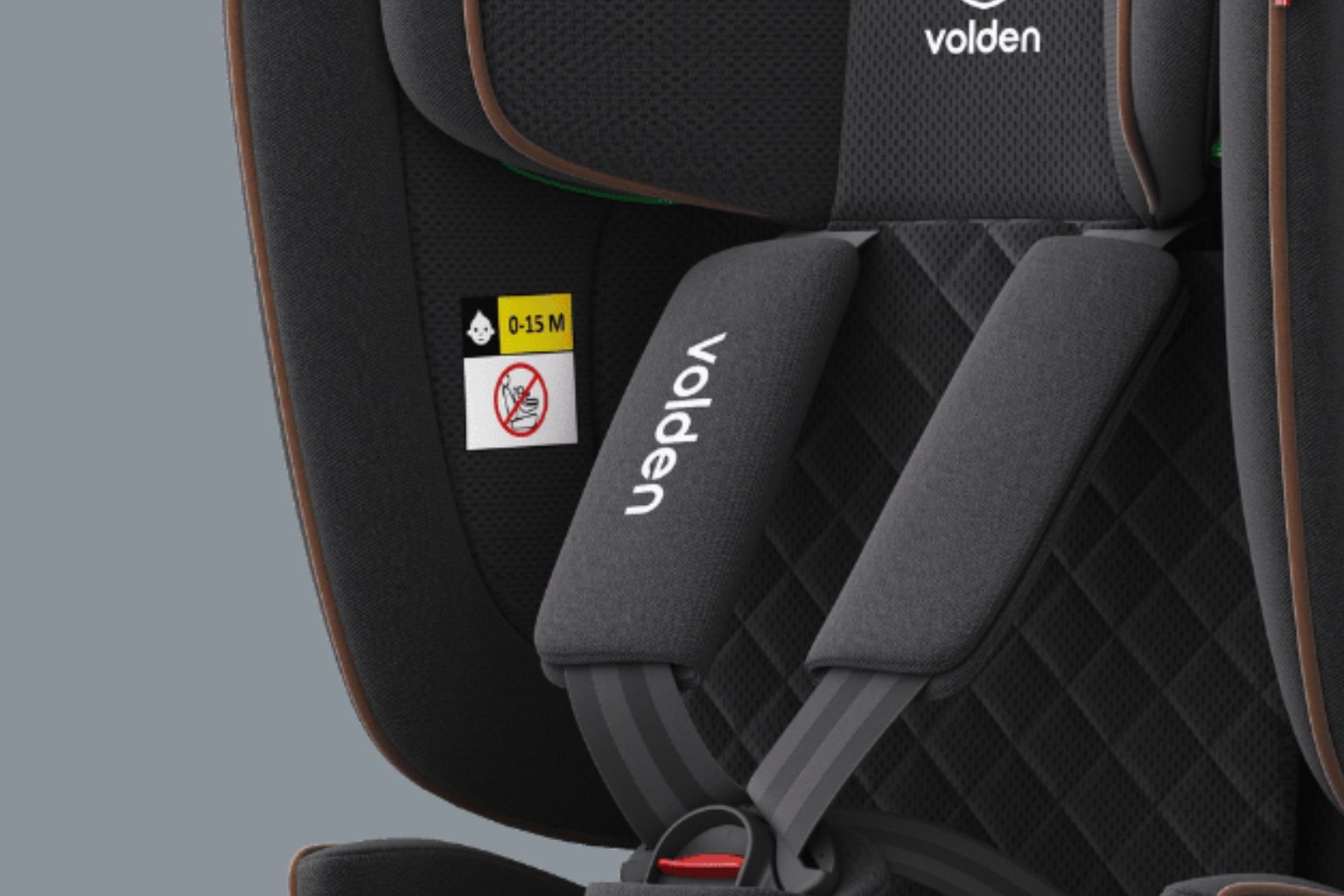
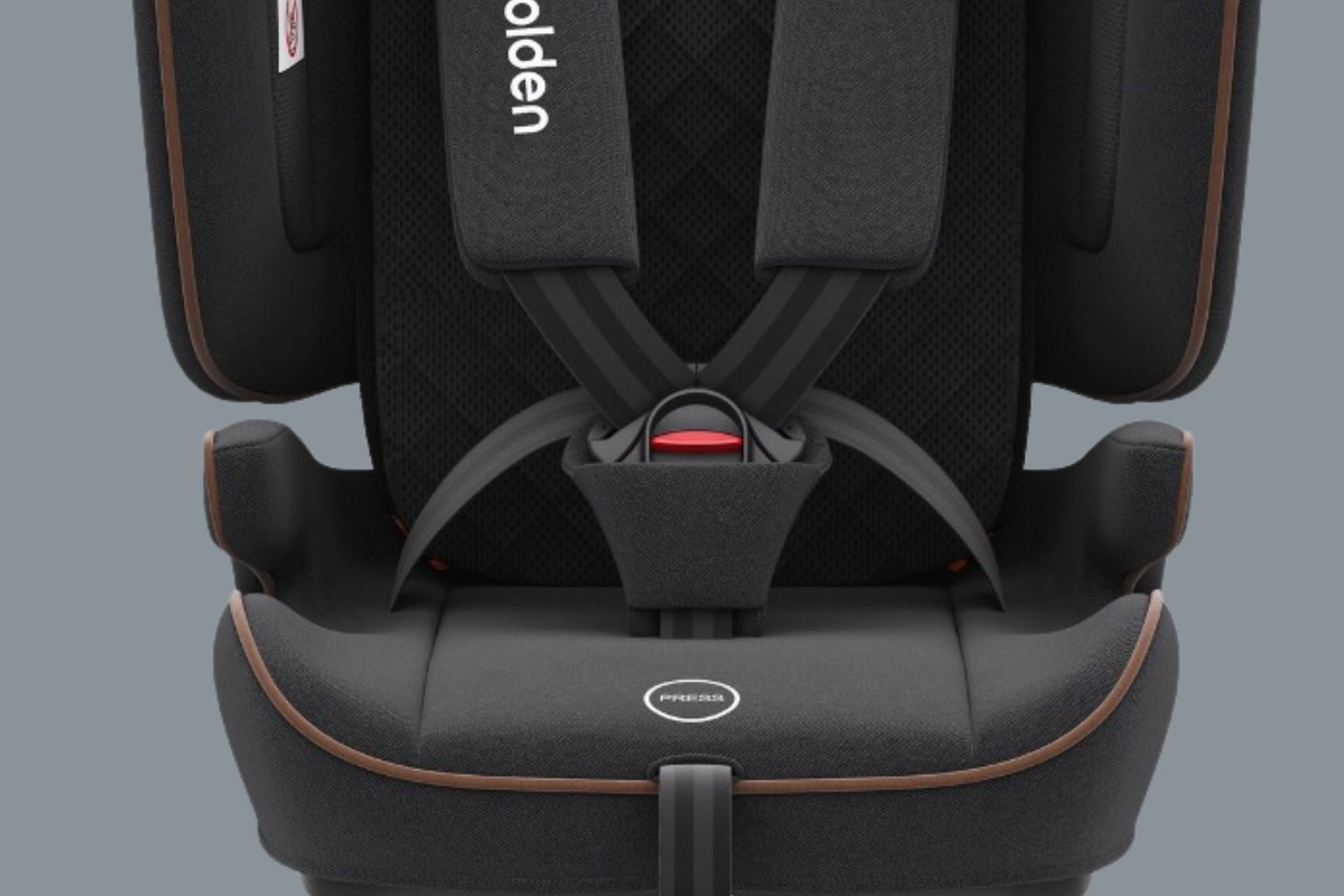
Volden restraint systems incorporate adaptive harness geometry and multi-position structural adjustments to maintain proper alignment of: shoulder load paths, pelvic restraint zones, head and cervical protection. Protection evolves as the child grows.
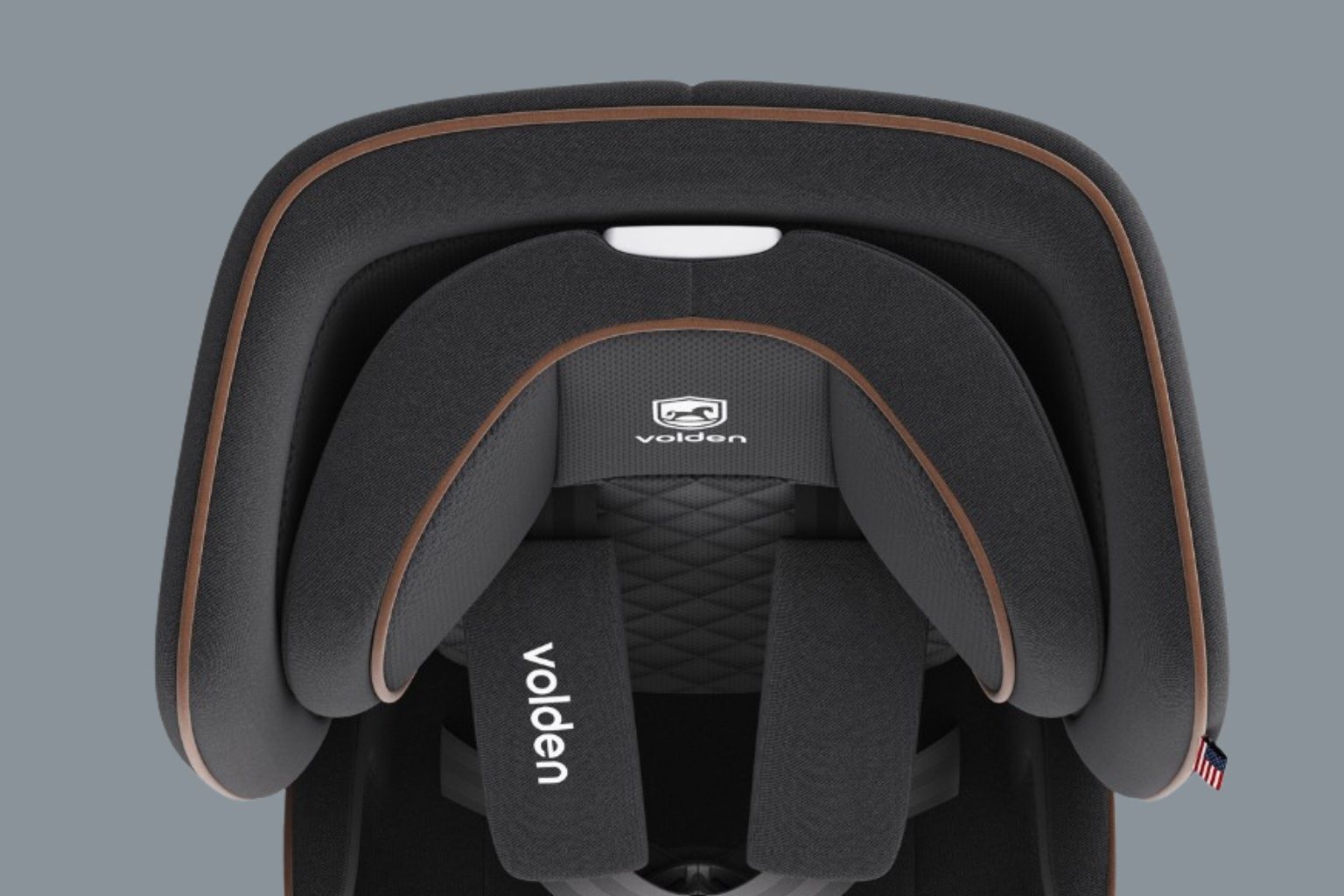
Laboratory testing alone cannot capture real-world variability.
These tests ensure structural consistency under real operating conditions.

Volden child car seats are tested in multiple seating positions within the vehicle cabin to evaluate stability, compatibility, and ease of use in real-world conditions.

Volden evaluates seat compatibility across a range of vehicle models, considering rear-seat space, ISOFIX anchor locations, and the child’s seating position during travel.

Volden child car seats are assessed through repeated-use scenarios to evaluate structural stability, durability, and safety performance over extended periods of use.
Volden validation protocols operate in alignment with international safety standards including:
However, internal engineering thresholds extend beyond regulatory testing to evaluate additional structural scenarios not required by certification frameworks.

True safety is never a single mechanism.
Global Markets
Legacy Growth
Risk Variance