

news
September 9, 2026
A smart car seat may come equipped with a mobile app, sensors, voice control, powered rotation, or built-in cooling. But having more technology does not automatically make a car seat better for every family.
What parents really need are features that help them install the seat correctly, get their child in and out more easily, monitor important seat functions, and reduce unnecessary steps during everyday travel. Instead of choosing a car seat based on how many high-tech features it offers, focus on which features actually solve real problems.
A smart car seat is a child safety seat that includes technology-based features beyond the basic functions of a traditional car seat.
Depending on the model, smart features may include:
The key is that technology should help parents use the car seat more easily and consistently. A seat with an advanced display or app is still not the right choice if it does not fit the child properly, is incompatible with the vehicle, or is frequently installed incorrectly.
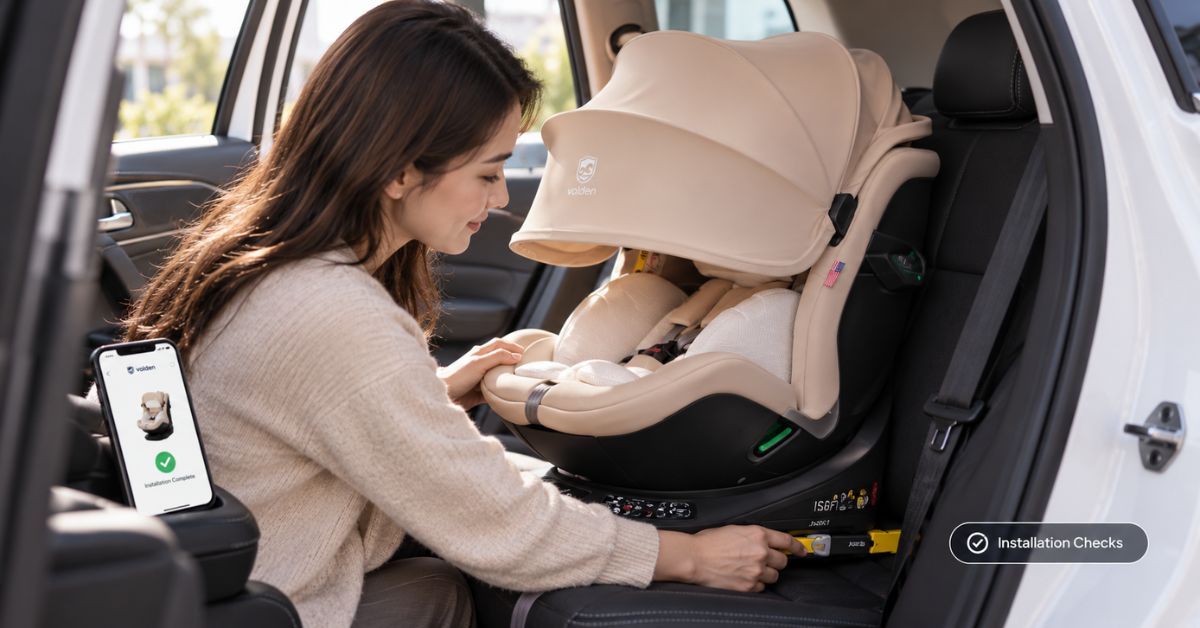
Incorrect installation is one of the biggest concerns when using a child car seat. That is why features that help parents confirm installation or connection status can offer more practical value than technology designed mainly to look impressive.
Depending on the design, a car seat may use visual indicators, electronic alerts, or app-based information to help parents check important installation steps.
These features are worth prioritizing because they support one of the most important responsibilities parents have from the beginning: installing the car seat according to the manufacturer’s instructions.
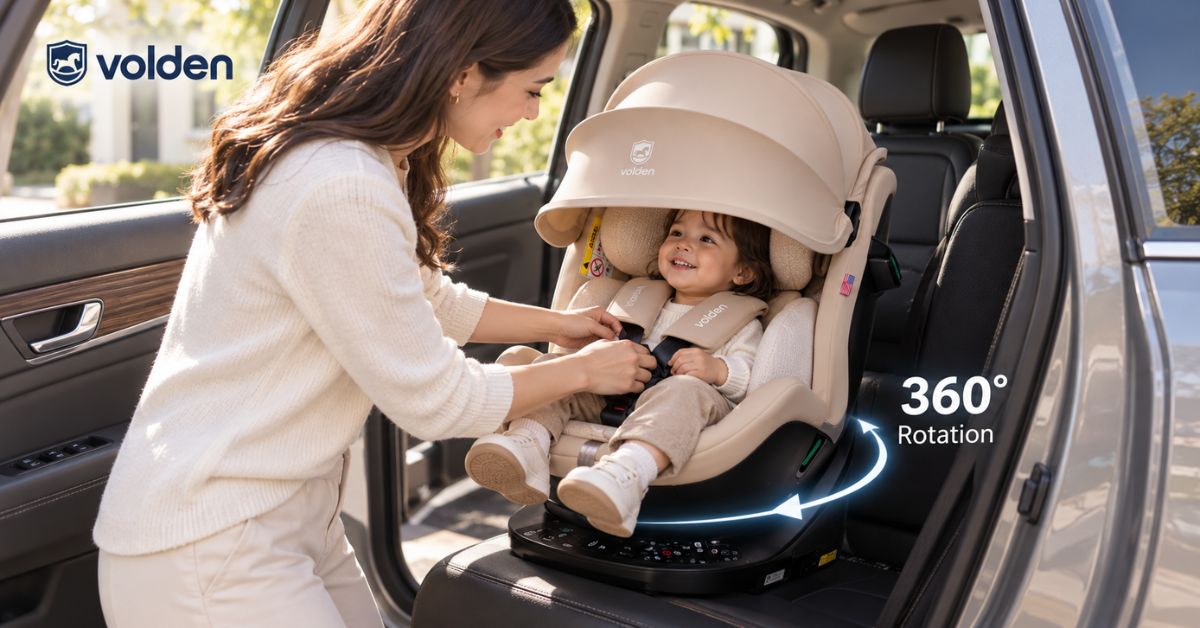
A rotating seat is one of those features parents can appreciate almost immediately in everyday use.
Instead of leaning deep into the vehicle to place a child in the seat, parents can rotate the seat toward the door, position the child, secure the harness, and then rotate the seat back into the appropriate riding position.
This feature can be especially helpful when:
Some smart car seats go a step further by offering powered rotation or other convenient controls that reduce the amount of manual effort required.
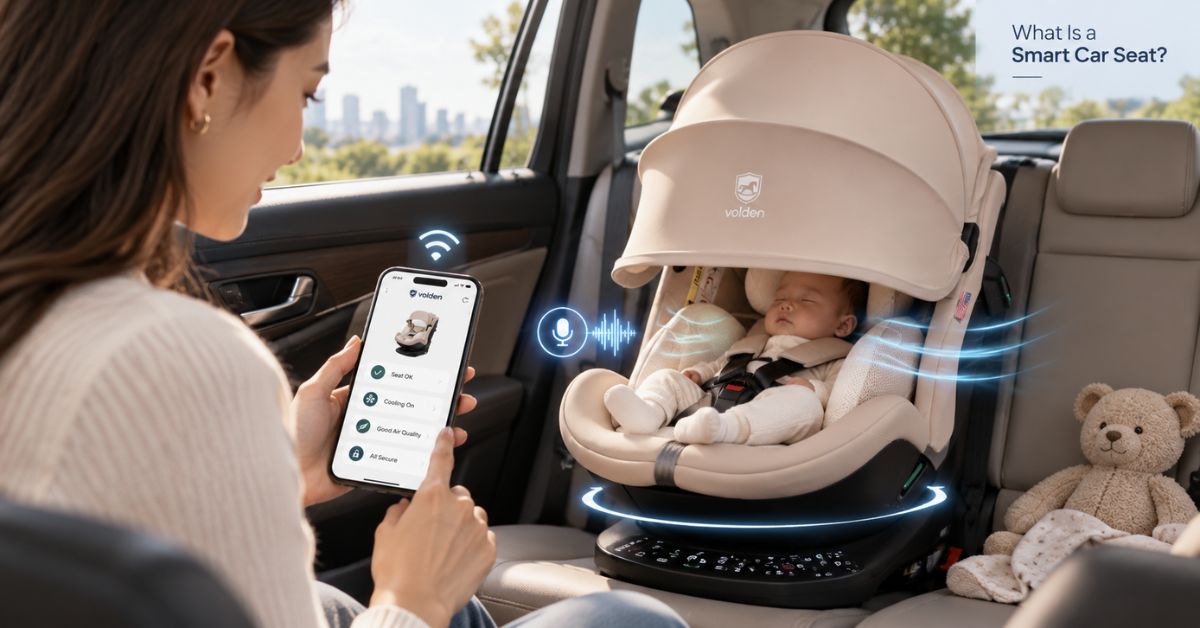
A mobile app is not essential for every car seat. However, when an app is designed around real parenting needs, it can be a useful feature.
The app may act as a control center for compatible seat functions, allowing parents to check settings or adjust certain features without having to reach directly toward the car seat.
This can be especially helpful for families who travel frequently and prefer to manage several functions from one interface.
On the other hand, if an app only displays information that parents can already check easily by looking at the seat, its practical value may be limited.
Voice control is another feature that can make a meaningful difference when implemented well.
For example, if a child is sitting in the back seat, the driver should not need to turn around or reach toward the car seat to change a setting while the vehicle is moving. Voice control can help reduce the need for direct interaction with the seat.
That is why voice-control systems in a smart car seat should be evaluated with one simple question:
Does this feature help reduce distracting manual adjustments?
If the answer is yes, the technology provides a clearer everyday benefit.
Children may spend a significant amount of time sitting in a car seat. In hot weather, heat can build up around the child’s back and the seat cushion, which may make longer rides uncomfortable.
Some smart car seats include built-in fans or airflow systems designed to improve ventilation and comfort.
A cooling system does not replace the vehicle’s air conditioning, and it should not be considered a core safety feature. However, for families living in warmer climates or taking frequent long-distance trips, it may be one of the smart features they use most often.
No matter how many sensors, apps, or advanced technologies a car seat includes, it still needs to meet the basic requirements of proper child restraint use.
Do not choose a car seat based on age alone. Check the manufacturer’s height, weight, and riding-position limits for each model.
Your child should always fall within the approved range for the specific mode in which the seat is being used.
Smart technology may provide useful support, but parents should still read both the car seat manual and the vehicle owner’s manual.
In the U.S., parents should also confirm which installation method is appropriate for their vehicle and car seat, such as the LATCH system or the vehicle seat belt, according to the manufacturer’s instructions.
A harness that is too loose, twisted, or positioned incorrectly may affect how well it restrains the child.
A well-designed smart car seat may make adjustments easier, but the caregiver still needs to complete the final check before every trip.

Before buying a smart car seat, instead of asking, “Which seat has the most technology?” ask these four questions:
For example, families who frequently take their child in and out of the vehicle may benefit from a rotating seat. Families living in hot climates may value built-in ventilation. Parents who often drive alone with their child may be more interested in app controls, voice commands, or monitoring features.
There is no single smart car seat configuration that is perfect for every family. The best choice is one that combines the right safety fundamentals with technology that fits the way your family actually travels.
When shopping for a smart car seat, start with proper fit, compatibility, and safe use. Then look for technology that genuinely makes everyday travel easier and more convenient. That is also the direction Volden USA follows in developing the next generation of child safety products for modern families.