

news
September 10, 2026
Choosing the best infant car seat is not simply about finding the most expensive model or the one with the most features. For newborns, what matters more is choosing a seat that fits your baby’s size, installs correctly in your vehicle, supports rear-facing use, and is easy for parents to use properly every day.
A good infant car seat should balance safety, vehicle compatibility, proper fit, and everyday convenience. Below are the key factors U.S. parents should consider when choosing the right car seat from the start.
An infant car seat is a child safety seat designed for newborns and young babies during the earliest stage of life. Most seats in this category are used rear-facing, meaning the child faces the back of the vehicle.
Some infant car seats come with a removable carrier that clicks into a separate base, making it easier to take your baby in and out of the vehicle. Many families also choose a convertible car seat that can be used from infancy and adjusted as the child grows.
For that reason, finding the best infant car seat does not necessarily mean choosing one specific seat style. What matters most is that the seat fits your child and is used according to the manufacturer’s instructions.
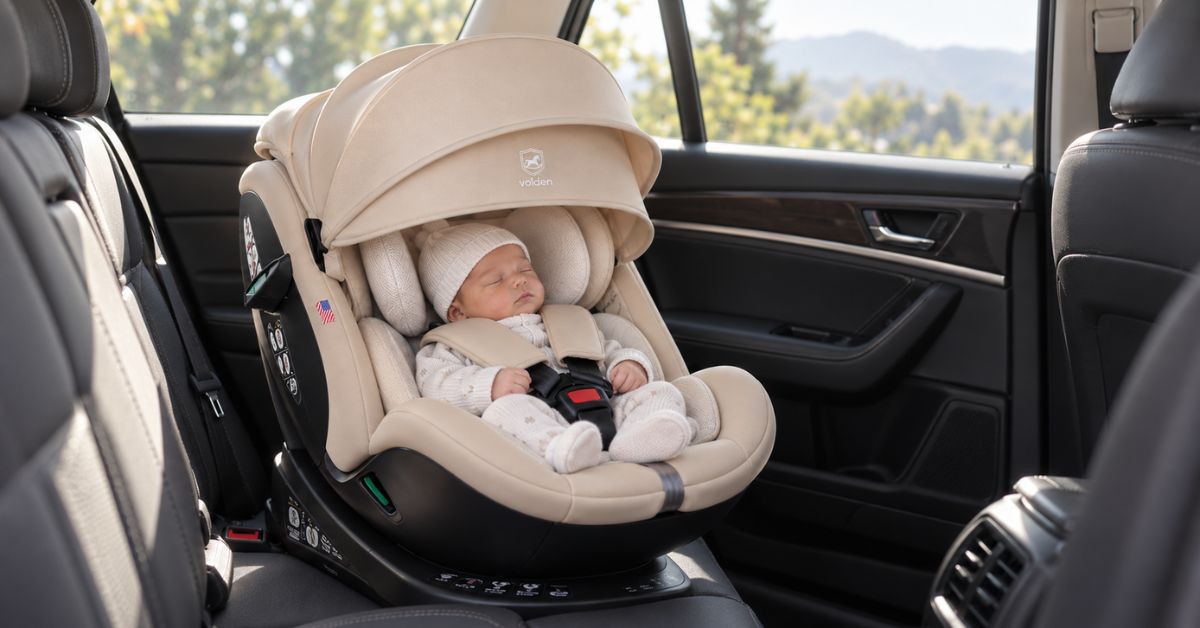
The first thing to check when choosing the best infant car seat is the product’s size limits.
Parents should review:
Do not choose a car seat based on age alone. Two babies who are both 6 months old may have very different heights and weights.
For newborns, the seat should properly support the baby’s smaller body, especially the head, neck, and torso. If the manufacturer provides an infant insert or newborn insert, use it only as directed and remove it once your baby reaches the specified limit.
Rear-facing is one of the most important factors when choosing a car seat for a young child.
In this position, the car seat shell helps distribute crash forces across the child’s head, neck, and back during a frontal collision. That is why infants and young children should remain rear-facing until they reach the rear-facing height or weight limit of their specific car seat.
When comparing car seats, pay close attention to:
A car seat that allows your child to remain rear-facing within the seat’s approved limits may provide a longer period of use during the early stages.
Do not choose the best infant car seat based only on appearance or marketing claims.
When buying a car seat in the U.S., parents should carefully check the product label, instruction manual, and certification information for the U.S. market. The seat should be designed and certified to meet the applicable safety requirements for child restraint systems in the United States.
You should also check:
Clear product information makes it easier for parents to verify the seat and use it correctly throughout its service life.
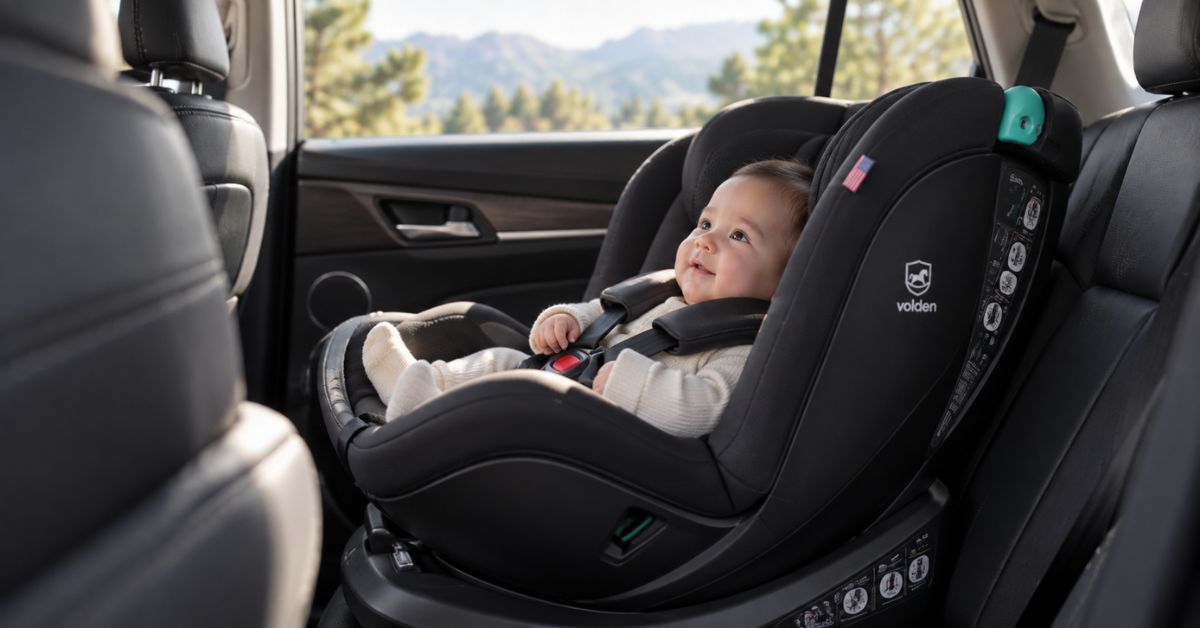
A car seat with advanced technology is not necessarily the best choice if it is difficult to install properly.
When choosing an infant car seat, make sure it is compatible with your vehicle’s seating position and installation system. Depending on the model, the seat may be installed using the vehicle’s lower anchors or a three-point seat belt.
Parents should look for features such as:
Before buying, also consider the size of your vehicle’s interior. Some infant car seats take up a significant amount of space when installed rear-facing, especially in sedans or vehicles with smaller back seats.
The harness is the part of the car seat that directly secures your child, so easy and accurate adjustment is important.
For newborns, parents should make sure the harness can be adjusted to fit the baby’s smaller body. The harness should be positioned according to the manufacturer’s instructions and tightened securely enough to keep the child properly restrained.
The best infant car seat should make it easy to:
The easier a seat is to use correctly, the more likely parents are to maintain proper use on every trip.
Safety should always come first, but comfort also plays an important role in everyday use.
Babies may spend time in their car seat during short errands, daily commutes, and longer road trips. Consider features such as:
If your family lives in a warm climate or frequently takes longer drives, airflow and breathable seat materials may also be worth considering.
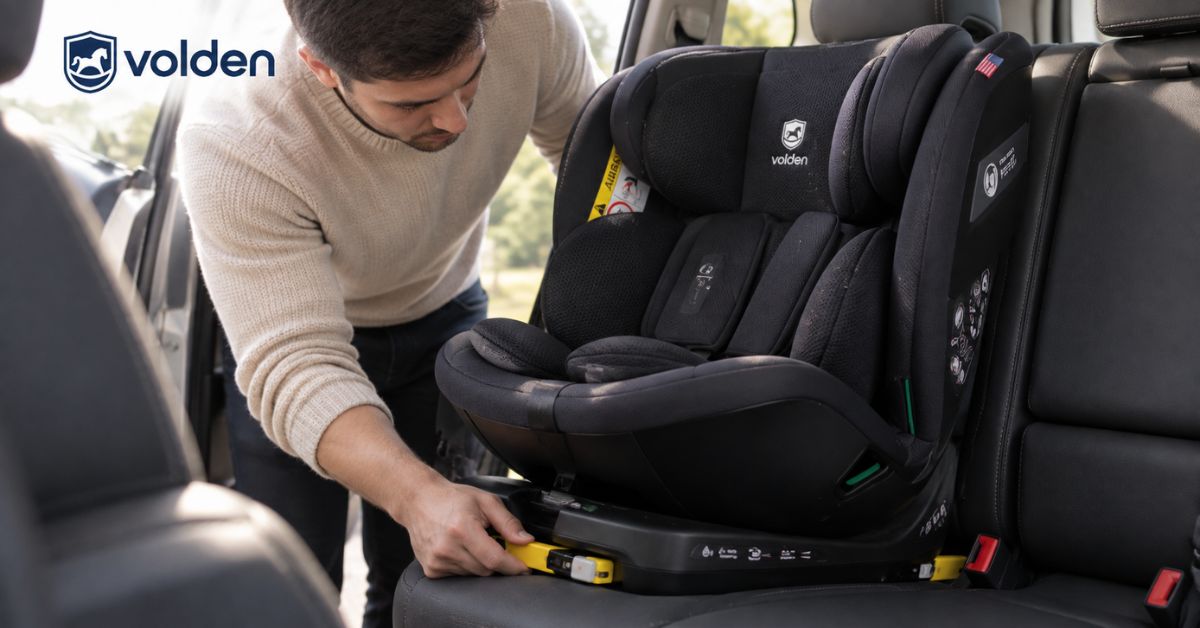
The best infant car seat should not only fit your child—it should also fit your family’s daily routine.
If you frequently take your baby in and out of the vehicle, a seat that rotates, adjusts easily, or makes loading and unloading simpler can reduce everyday effort.
If the seat will often be moved between different vehicles, consider:
On the other hand, if the car seat will stay installed in one vehicle most of the time, you may prefer a more substantial model with a longer usable lifespan rather than focusing on portability.
Some common mistakes can lead parents to choose a good car seat that does not actually fit their needs:
The right car seat is one that fits your child, fits your vehicle, and can be installed and used correctly on every trip.
With a focus on engineering, innovation, and practical everyday use, Volden USA is committed to developing modern child safety solutions that help families find car seat options that are convenient, thoughtfully designed, and better suited for every journey with their little ones.