
news
September 10, 2026
After a collision, many parents inspect the vehicle and see that the car seat after accident still looks intact, with no visible cracks and a harness that appears to function normally. This can make it seem safe to keep using. However, some damage may occur inside the car seat and may not be visible to the naked eye, potentially affecting how well the seat protects a child in a future crash.
So, should a car seat after accident be replaced, when can it still be used, and what should parents do immediately after a crash? Here are the most important things to check.
The answer depends on the severity of the crash and the car seat manufacturer’s instructions.
In general:
Car seats are designed to manage and absorb crash forces. During an accident, the shell, energy-absorbing materials, harness system, or attachment points may be placed under significant stress even when there is no obvious external damage.
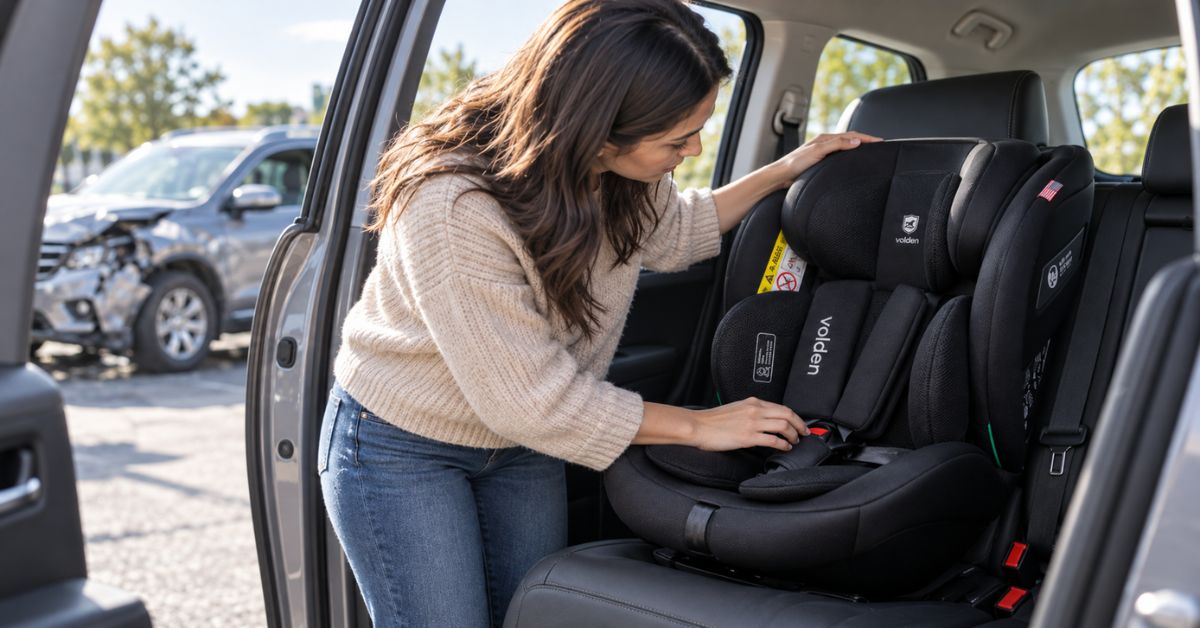
A car seat should be replaced after a moderate or severe crash or whenever there are signs that the seat may have experienced significant crash forces.
Inspect the entire car seat carefully, especially:
If you notice cracks, deformation, loose components, damaged straps, or adjustment mechanisms that no longer work properly, the car seat should not continue to be used.
Most importantly, parents should not rely only on the fact that “the car seat still looks fine” when deciding whether it is safe.
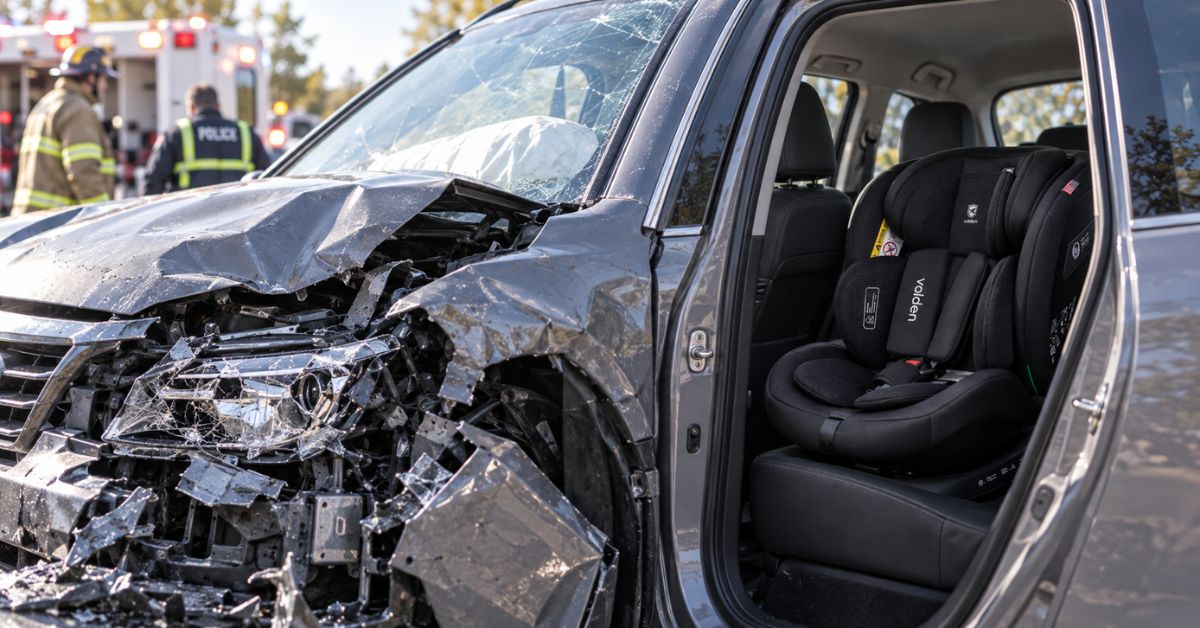
Airbag deployment often indicates that the vehicle experienced substantial crash forces. In this situation, the car seat may also have been subjected to significant stress and should be evaluated according to the manufacturer’s instructions.
If the crash caused injuries to anyone in the vehicle, it would generally not be considered a very minor collision. Any car seat that was in the vehicle at the time should be carefully evaluated and may need to be replaced.
If the vehicle door closest to the car seat was dented, deformed, or directly impacted, there is a greater chance that the car seat was exposed to significant crash forces.
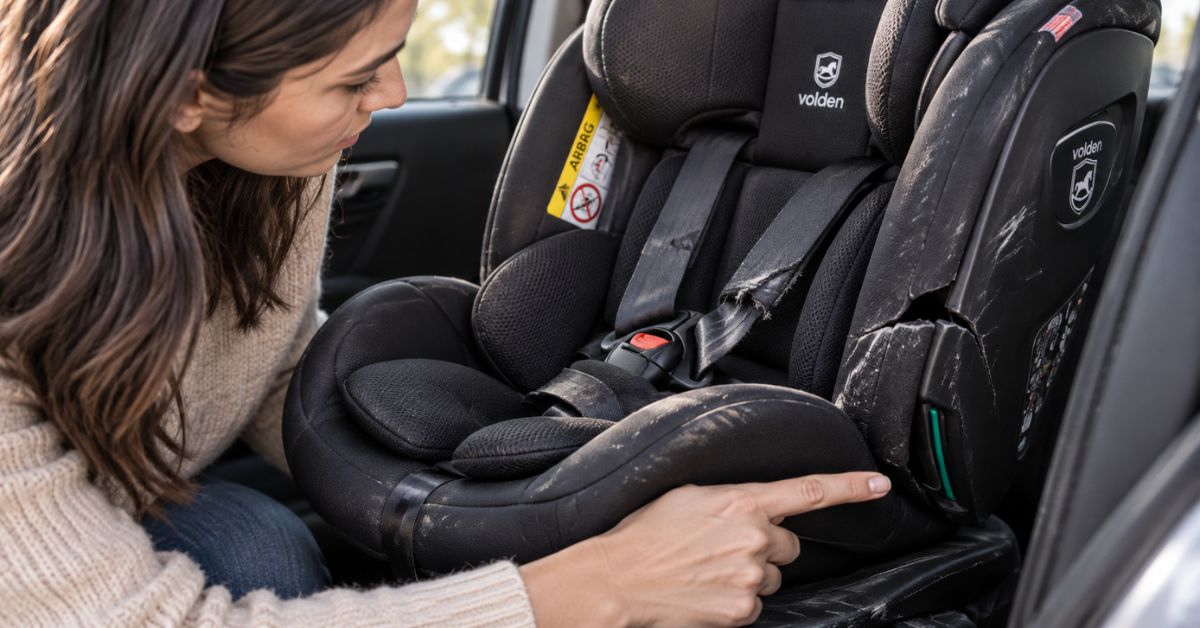
Not every car seat after accident automatically needs to be replaced after a very minor crash. With some car seats, continued use may be allowed if the crash meets all criteria for a minor collision.
Parents should typically confirm all of the following:
If even one of these conditions is not met, parents should not assume the seat is safe to continue using.
More importantly, always check the car seat manufacturer’s instructions, because post-crash replacement policies can vary by brand and model.
This is one of the most common questions about a car seat after accident.
Whether a child was sitting in the car seat is not the only factor that determines whether replacement is necessary. During a collision, a car seat that is installed in the vehicle can still experience crash forces through the vehicle seat belt, LATCH/ISOFIX system, or top tether.
If the car seat was installed at the time of the accident, parents should still consider:
A car seat should not automatically be considered safe simply because no child was sitting in it during the crash.
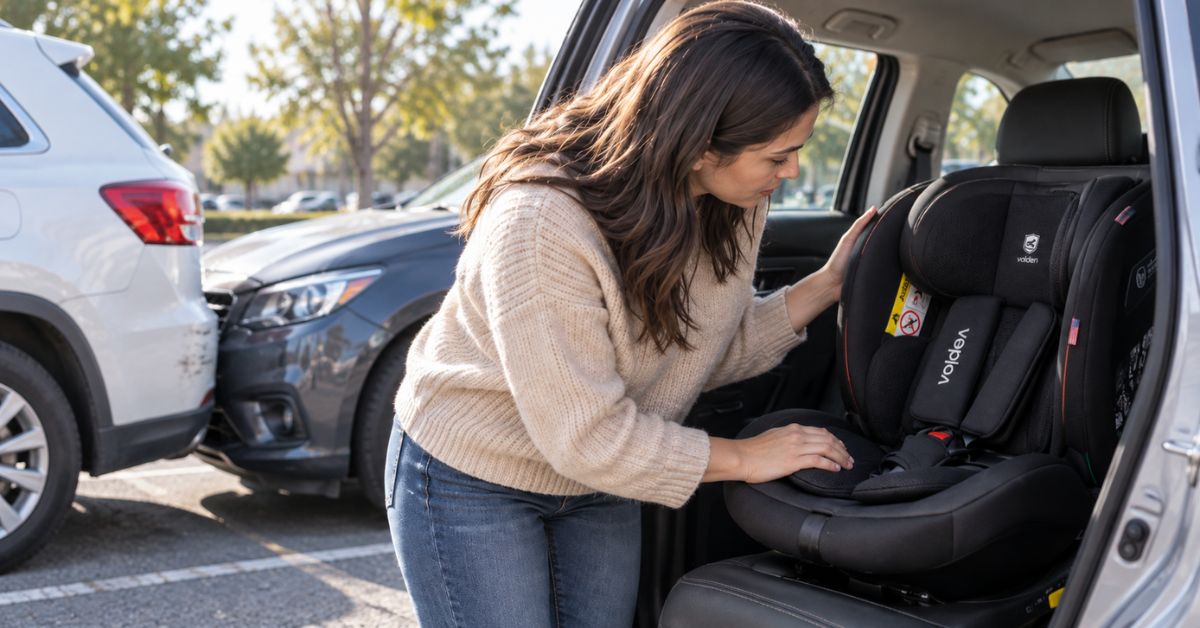
After an accident, parents can follow these steps.
If you are uncertain about the severity of the accident or have not yet reviewed the manufacturer’s instructions, avoid using the car seat for your child until you can confirm whether it is still appropriate for use.
Document:
This information may be useful when contacting the manufacturer or your insurance company.
Look for sections with terms such as:
Requirements may differ between individual car seat models.
If you are still unsure, provide the model number, serial number, and details about the accident. Getting model-specific guidance is safer than making your own assessment.
In the United States, replacement costs for a car seat after a crash may sometimes be included as part of an auto insurance claim. Coverage depends on the insurance company and your individual policy.
Keep photos, accident reports, purchase receipts, and car seat information before disposing of the damaged seat.
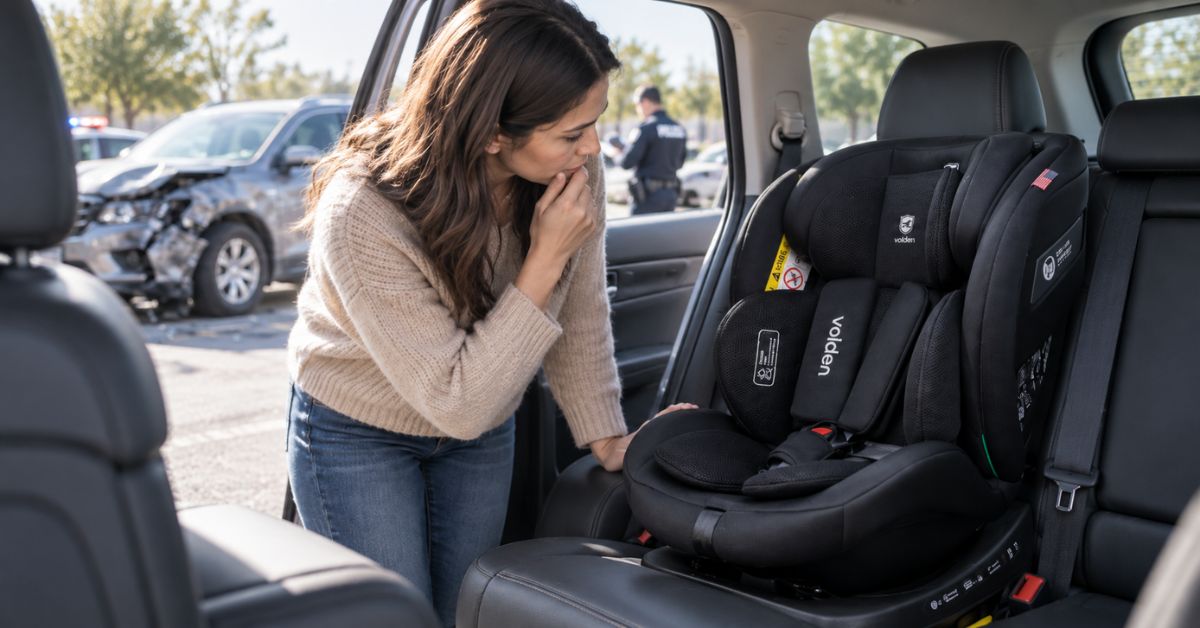
If the car seat has been determined unsafe for further use, it should not be resold, donated, or passed on to another family.
Before disposal, consider:
The goal is to prevent a car seat that has already been involved in a crash from accidentally being used by another child.
At Volden USA, our approach to child safety goes beyond helping parents choose the right car seat. We also aim to help families understand how to use child restraint systems correctly in real-world situations, including what to do after an accident, so every trip can be safer and more informed.