

news
September 10, 2026
When installing a child car seat, many parents wonder about LATCH vs seat belt car seat installation: Is LATCH safer than using the vehicle’s seat belt, or should you choose the seat belt instead? In practice, both methods can secure a car seat safely when they are approved by the manufacturer and installed correctly.
The key is not choosing the “stronger” method. It is choosing the installation method that works with your car seat, vehicle, seating position, and the manufacturer’s stated limits.
Below is a clear comparison of LATCH and seat belt installation to help parents decide which option makes the most sense in different situations.
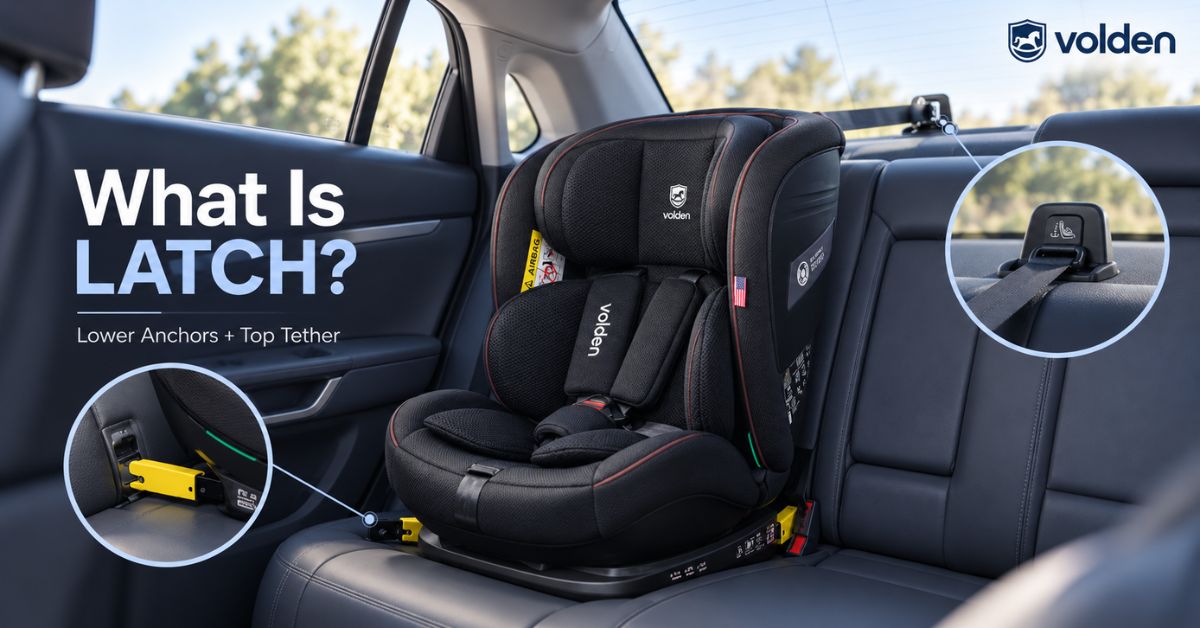
LATCH stands for Lower Anchors and Tethers for Children. It is a system of built-in vehicle anchors designed to secure a child car seat without using the vehicle seat belt as the primary installation method.
A typical LATCH system includes:
One of the main advantages of LATCH is that installation can be relatively straightforward. Parents connect the car seat’s lower anchor attachments to the vehicle’s anchors, tighten the straps, and check that the seat is secure.
However, not every rear seating position has lower anchors. LATCH use is also subject to the limits specified by both the car seat and vehicle manufacturers.
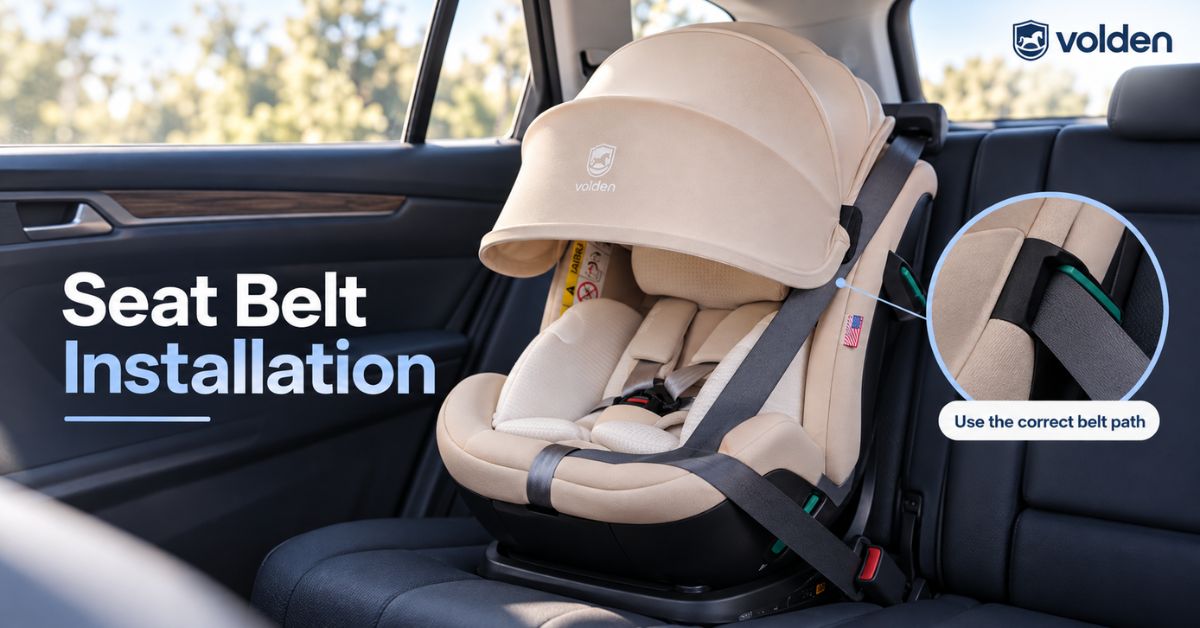
The second method uses the vehicle seat belt to secure the child restraint to the vehicle seat.
The seat belt is routed through the correct belt path for the car seat’s current mode, such as rear-facing or forward-facing. It is then locked and tightened according to the instructions for both the car seat and the vehicle.
Some car seats include a built-in lock-off that helps hold the seat belt securely in place. Other models rely on the vehicle seat belt’s own locking mechanism.
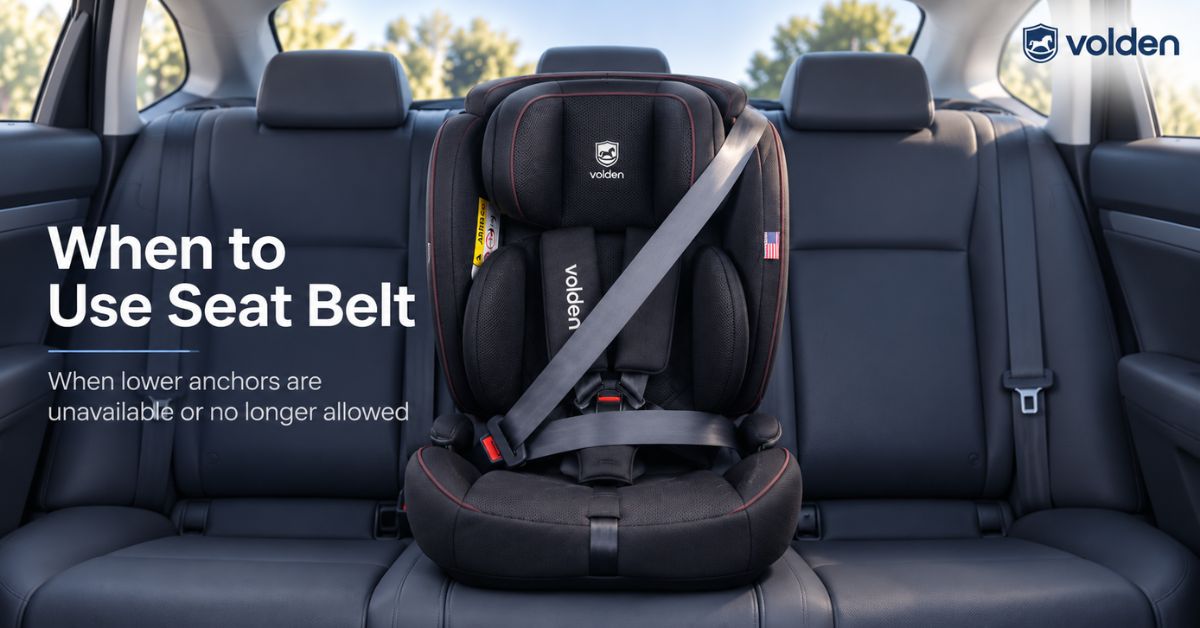
Seat belt installation can be especially useful when:
LATCH can be a convenient option when the rear seating position has lower anchors and the car seat allows LATCH installation in its current configuration.
It may be especially helpful for parents who want a more direct installation process without having to route and lock the vehicle seat belt.
An important point in the LATCH vs seat belt car seat comparison is that lower anchors cannot necessarily be used indefinitely for every child.
The limits depend on the car seat design and manufacturer instructions. Once the specified limit is reached, parents may need to switch to seat belt installation.
Do not determine the limit based on the child’s age alone. Always check the car seat label and instruction manual.
Not every rear seating position includes a complete LATCH system. In some vehicles, the center rear seat may not have its own dedicated lower anchors.
In that situation, seat belt installation may be the appropriate option if the car seat manufacturer allows it.
If the car seat and child have reached the manufacturer’s specified lower-anchor limit, switching to the vehicle seat belt allows the car seat to continue being used according to its approved installation instructions.
Vehicle seat shape, cushion angle, or anchor placement can sometimes make LATCH installation more difficult.
If the seat belt allows the car seat to be installed more securely and the manufacturer permits that method, there is no need to force a LATCH installation.
In most cases, parents should not use both the lower anchors and the vehicle seat belt at the same time unless the car seat manufacturer specifically allows it.
It may seem logical to assume that using two installation methods would make the car seat twice as secure. However, child restraints are designed and tested using specific installation configurations.
Only use both systems together when the car seat instructions and vehicle manual clearly state that doing so is permitted.
This should not be confused with the Top Tether. For many forward-facing car seats, the Top Tether serves a separate purpose and may still need to be used even when the car seat is installed with the vehicle seat belt instead of the lower anchors.
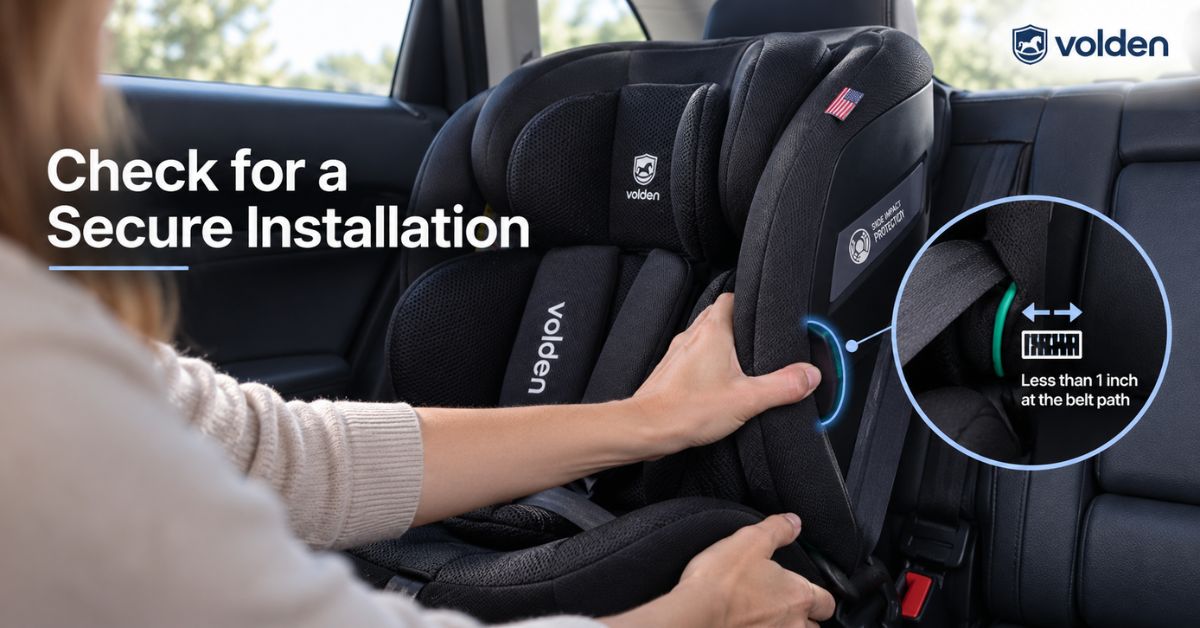
After installing the car seat with either LATCH or the seat belt, check the seat at the belt path.
Hold the car seat close to the installation point and try moving it from side to side and from front to back. The seat should remain secure according to the manufacturer’s instructions. A commonly used rule of thumb is that the car seat should move no more than about 1 inch at the belt path.
Avoid testing the installation by aggressively pulling on the headrest or the top of the car seat. That area may still move even when the base of the seat is installed correctly.
Parents should also confirm that:
Several common mistakes can reduce the effectiveness of either installation method:
The LATCH vs seat belt car seat comparison is not really about deciding which system is universally better. Both are approved methods of securing a child car seat. The main differences involve compatibility, installation limits, and proper use.
Before changing the seating position or installation method, parents should review both the car seat manual and the vehicle owner’s manual. Always make sure the car seat is installed securely before placing a child in it.
At Volden USA, we focus on child safety solutions developed around engineering, practical everyday use, and the real needs of modern families. Because even the right car seat can only perform as intended when it is selected, installed, and used correctly from the very beginning.