
news
September 10, 2026
A car seat may appear to be installed correctly, but it can still be unsafe if the seat or harness is too loose. That is why many parents search for how tight should a car seat be before heading out with their child.
Below is a simple checklist to help parents quickly check car seat fit and installation before every trip.
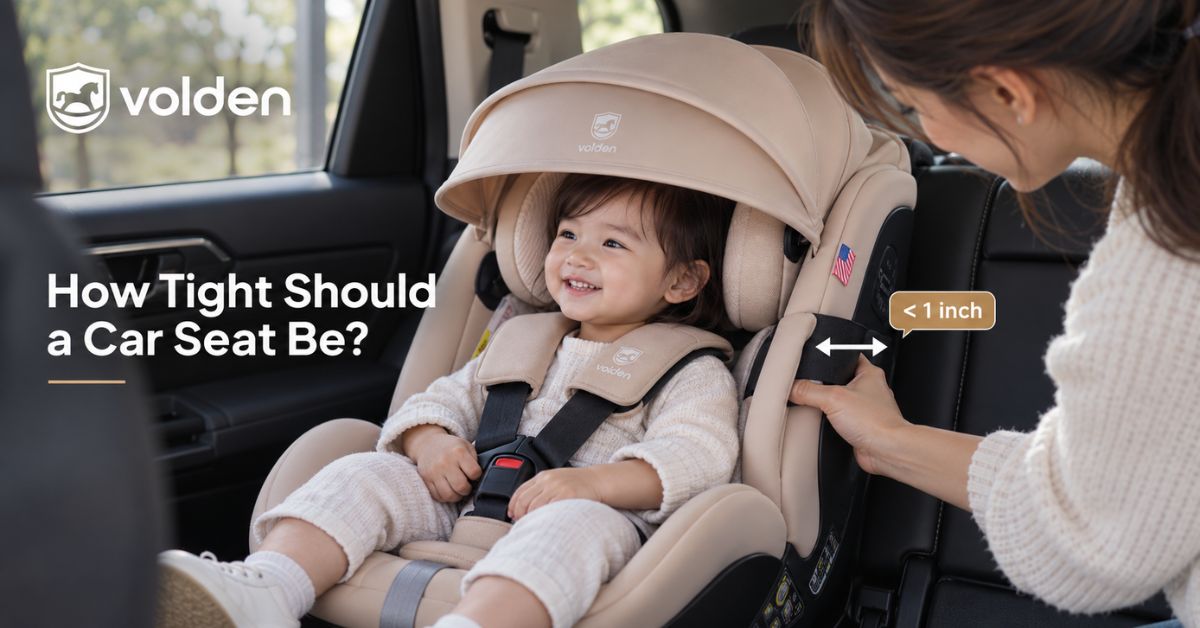
To check whether a car seat is installed securely, place your hand at the belt path—the area where the vehicle seat belt or lower anchors connect to the car seat. Then try moving the seat from side to side and from front to back.
A properly installed car seat should move no more than about 1 inch (2.5 cm) in any direction at the belt path.
It is important to test movement only where the car seat connects to the vehicle. The top or head area of the seat may have some movement depending on the design, especially with a rear-facing car seat. Avoid testing installation by grabbing the top of the car seat and shaking it forcefully.
Not necessarily. The goal is not to make the car seat completely immovable. Instead, the seat should be installed according to the manufacturer’s instructions and should stay within the recommended movement limit at the belt path.
Using excessive force to make the seat completely rigid does not automatically make the installation safer. Car seats vary in design and installation method, so the manufacturer’s instructions should always be your primary guide.
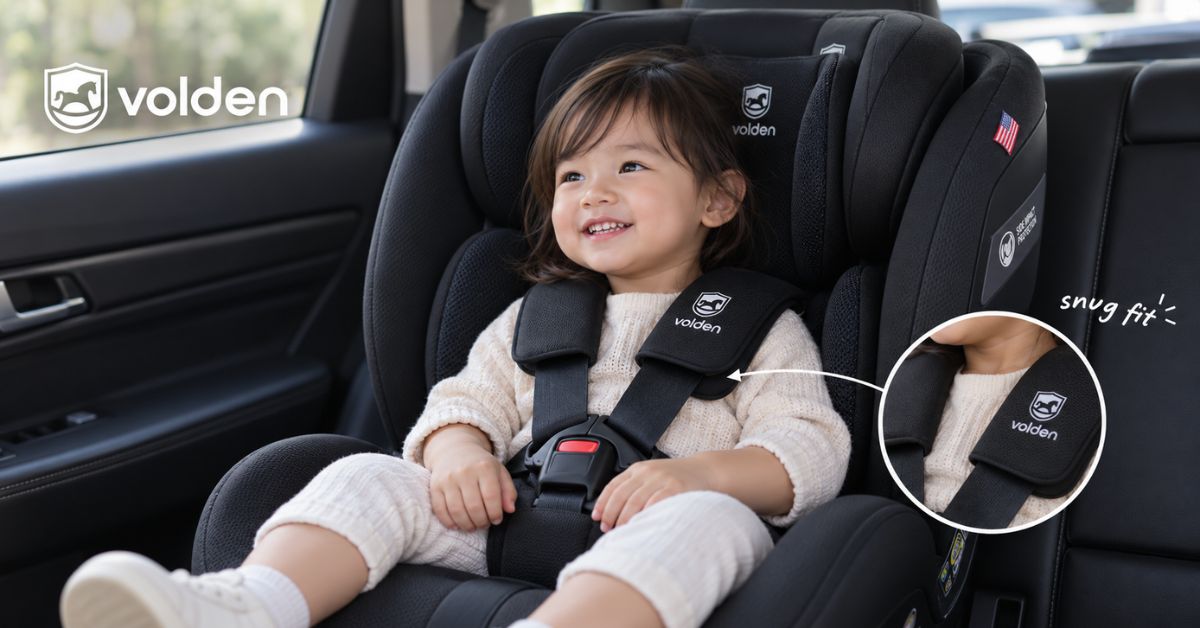
In addition to securing the car seat to the vehicle, parents also need to check how snugly the harness fits the child.
A properly adjusted harness should:
One simple way to check harness tightness is the pinch test.
How to Perform the Pinch Test
After buckling the harness and tightening the straps:
The goal is to remove excess slack without overtightening the harness.
Yes. Even if the harness feels tight, it may not fit correctly if the straps are positioned improperly.
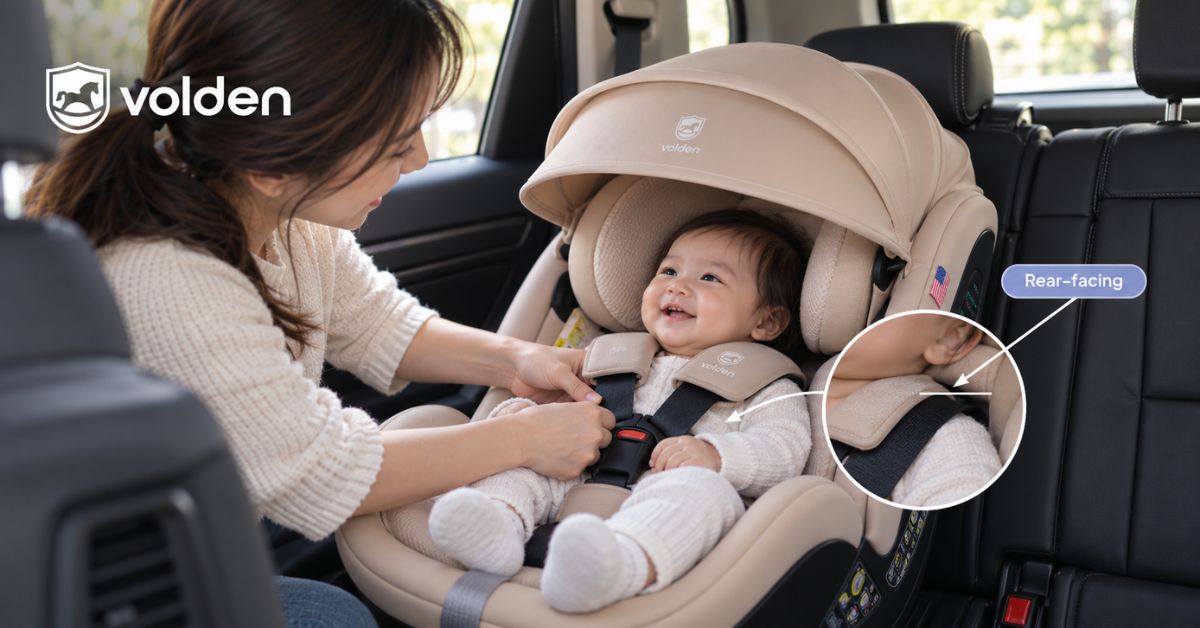
Harness straps generally need to come through the slots at or below the child’s shoulders, depending on the specific car seat instructions.
Rear-facing mode should be used within the height and weight limits specified by the car seat manufacturer.
Harness straps are generally positioned at or above the child’s shoulders.
If the seat includes a top tether and the manufacturer requires its use, the tether should be attached to the correct tether anchor in the vehicle and tightened according to the instructions.
Do not use another attachment point simply because it looks similar to a tether anchor.
Many parents grab the top of the car seat and shake it. The key area to check is the belt path, not the entire shell of the seat.
Many car seats have different belt paths for rear-facing and forward-facing installation. Routing the seat belt through the wrong path can make it difficult to secure the seat correctly.
The harness may look snug while still leaving extra space around the shoulders or hips. Remove any visible slack before performing the pinch test.
Twisted straps do not lie flat against the child’s body and can make it harder to judge whether the harness is properly tightened.
Puffy jackets and thick clothing can create extra space between the harness and the child’s body. When the material compresses, the harness may become looser than expected.
Extra padding, buckle devices, strap covers, or other accessories may change how the child restraint system performs. Use only accessories approved by the car seat manufacturer.
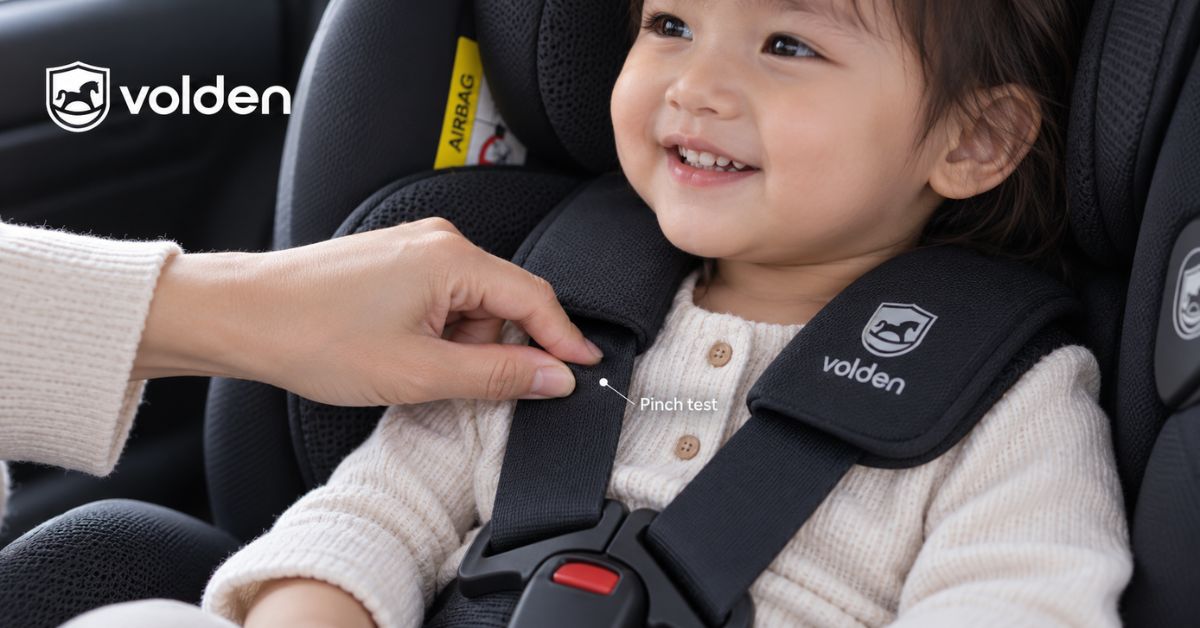
A quick check is recommended before every trip, especially the child’s harness fit.
The car seat installation should also be checked again when:
A car seat that was installed correctly once will not necessarily stay correctly adjusted in every situation.
At Volden USA, we believe a car seat can provide its intended protection only when it is selected, installed, and used correctly. In addition to choosing a seat that fits your child’s height and stage of development, take a few moments before every trip to check the installation and harness fit. Small checks can make a meaningful difference in helping create a safer ride for your child.