

news
September 10, 2026
Forward facing car seat age is a common question for parents as their child gets older, their legs begin touching the vehicle seat, or they seem less comfortable riding rear-facing. However, age alone should not determine when a child switches to forward-facing.
The key rule is simple: keep your child rear-facing until they reach the maximum rear-facing height or weight limit allowed by the car seat manufacturer. Once your child exceeds one of those limits, they can move to a forward-facing car seat with an appropriate harness.
There is no single forward facing car seat age that works for every child.
Instead of focusing only on your child’s birthday, check all of the following:
Young children should remain rear-facing for as long as they fit within the limits of their car seat. This means that turning 2 or 3 years old does not automatically mean a child needs to face forward if the seat still allows rear-facing use.

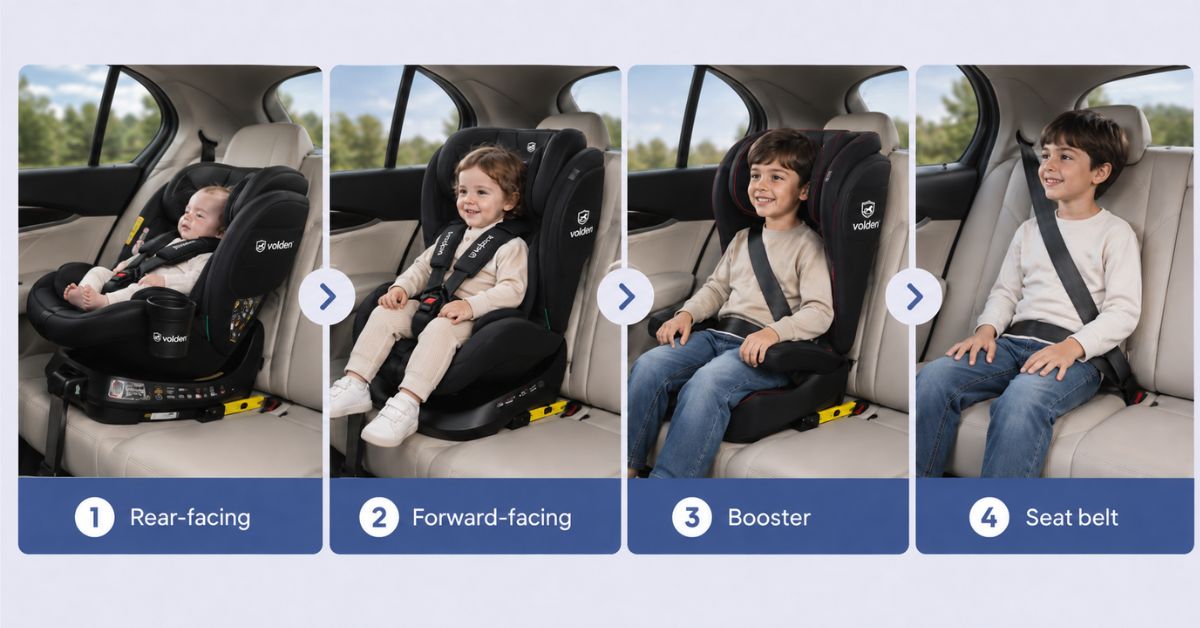
The chart below provides a quick overview of the main car seat stages:
| Stage | General Age Range | Main Factor to Check |
| Rear-facing | Newborn through toddler years | Child is still within rear-facing height and weight limits |
| Forward-facing with harness | After outgrowing rear-facing limits | Child meets the forward-facing requirements of the car seat |
| Booster seat | After outgrowing the forward-facing harness | Child is ready for proper seat belt positioning |
| Vehicle seat belt | Older child | Seat belt fits correctly across the body |
Note: These are general stages only. Always follow the height and weight limits listed on your specific car seat label and in the owner’s manual.
A child can move to forward-facing when they no longer meet the rear-facing requirements of their car seat.
Parents should mainly check two factors:
Every convertible car seat has its own maximum rear-facing weight limit.
If your child exceeds the manufacturer’s rear-facing weight limit, move to the next approved configuration described in the car seat manual.
Height is just as important as weight.
Some children may reach the rear-facing height limit before reaching the weight limit. That is why parents should not rely on weight alone. Also check any manufacturer requirements regarding your child’s head position relative to the top of the car seat shell.
Two years old should not be treated as an automatic time to turn a child forward-facing.
A 2-year-old may continue riding rear-facing if they:
Once your child actually outgrows the rear-facing limits, follow the manufacturer’s instructions for switching to forward-facing.
In other words, when researching forward facing car seat age, think of age as a general reference point. The height and weight limits of the specific car seat are the measurements parents should check directly.
Young children have proportionally larger heads, while their necks and spines are still developing.
In the rear-facing position, the car seat shell can help support and distribute crash forces across the child’s head, neck, and back during certain frontal crashes. This is why parents are encouraged to keep children rear-facing within the limits of their car seat.
A child bending their legs, crossing them, or touching the vehicle seat with their feet does not automatically mean they have outgrown rear-facing.
The car seat’s stated height and weight limits remain the key factors.
Before changing the direction of your child’s car seat, check:
If your child is still within the rear-facing limits, there is usually no need to turn the seat forward simply because they are getting older.
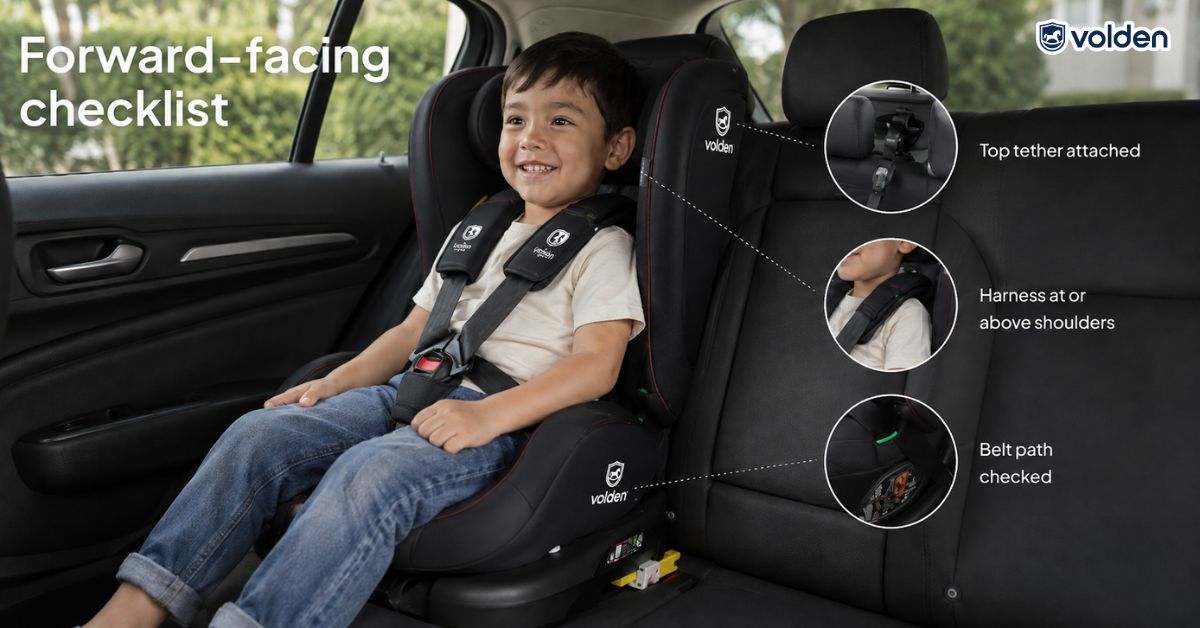
Once your child is ready to ride forward-facing, correct installation and harness adjustment are still essential.
In the forward-facing position, the harness straps should be placed according to the manufacturer’s instructions, typically at or above the child’s shoulders.
Make sure the harness:
If your car seat uses a top tether, connect it to the correct tether anchor in the vehicle.
Do not confuse the top tether anchor with a cargo hook or another attachment point behind the vehicle seat.
After installation, test the car seat at the belt path. The seat should not move excessively from side to side or front to back.
Always follow both:

After moving to a forward-facing car seat, children should not transition to a booster too early.
A child should continue using a forward-facing car seat with a harness until they reach the maximum height or weight limit for that harness system.
After that, parents can consider a booster seat that matches the child’s height, weight, and ability to sit properly throughout the entire ride.
Even if a child is old enough for a booster, they may not be ready if they frequently:
In these situations, a harnessed forward-facing seat may still be the more appropriate option if the child remains within the seat’s approved limits.
The right forward facing car seat age is not determined by age alone. Parents should consider their child’s height, weight, and the specific rear-facing limits of the car seat before making the switch.
Volden USA hopes this guide helps parents better understand when to move from rear-facing to forward-facing and how to choose the right car seat configuration for each stage of their child’s growth.
Before changing your car seat setup, always review both the car seat owner’s manual and your vehicle owner’s manual. Following the correct limits and installation instructions can help make every family trip safer, easier, and more comfortable.