news
September 10, 2026
A portable car seat is not automatically safe just because it is called a car seat, and it is not automatically less safe simply because it is smaller than a traditional car seat.
What matters is something else: what type of child restraint the product actually is, whether it meets the applicable safety standards, whether it is appropriate for your child, and whether it can be installed correctly in the vehicle you are using.
Before choosing a product simply because it fits in a suitcase, parents should understand the following.
Portable car seat is a common shopping term, not a separate stage of child restraint use.
A product marketed as portable may actually be:
This is exactly why parents should not choose a product based only on the word “portable” in its name.
The first question should be: What type of child restraint is this, and what stage of use is it designed for?
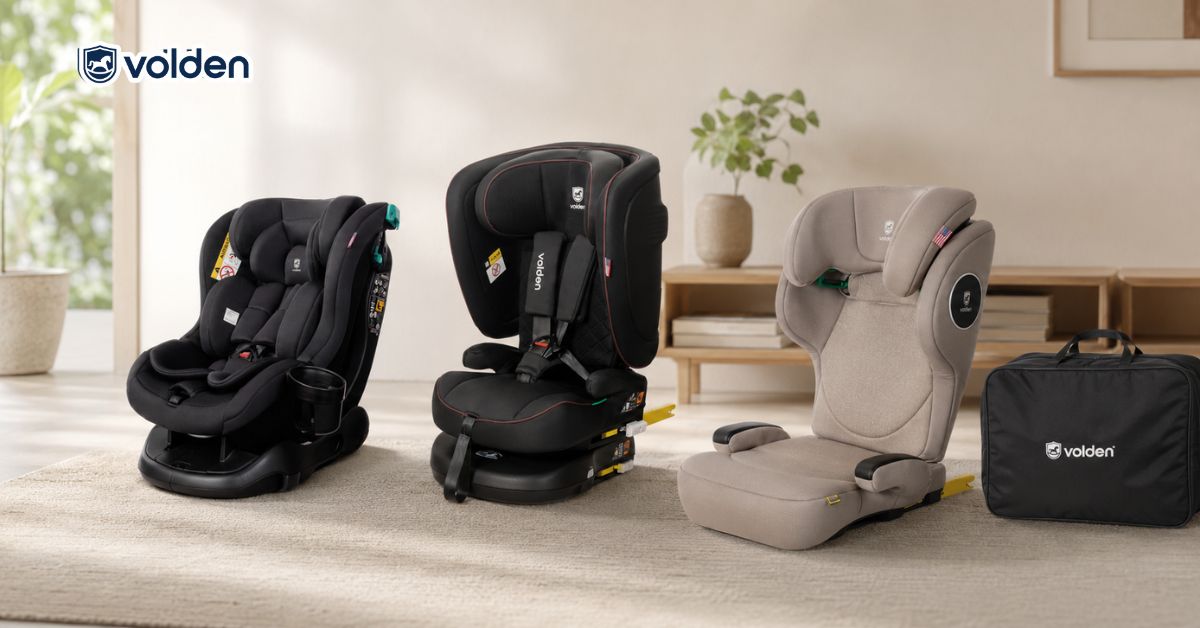
A car seat that is easy to carry still needs to follow the same selection principles as any other car seat.
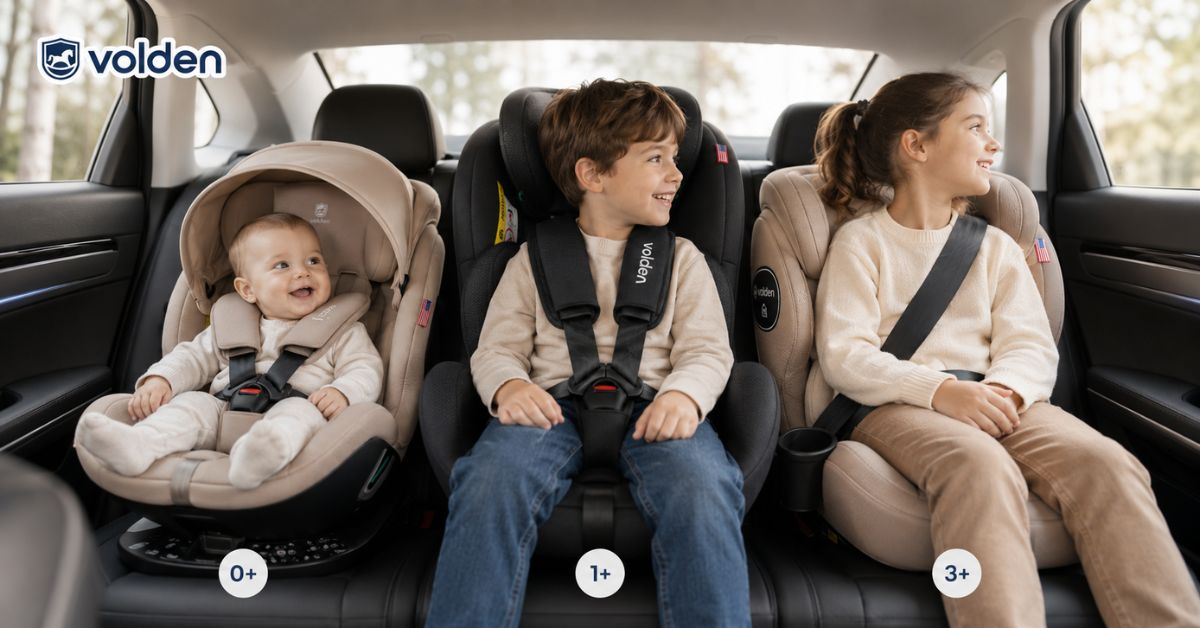
Younger children need a restraint appropriate for the rear-facing or forward-facing stage. Older children should move to a booster only after they have outgrown the limits of a harnessed seat and are mature enough to maintain proper seating position.
For that reason, be cautious with claims such as:
“Suitable for every child from birth to age 12.”
“Universal safety seat.”
“Suitable for all cars and all ages.”
A wide advertised age range does not automatically prove that a product is appropriate for your child.
Always check the actual height and weight limits, approved direction of use, and product labels.
In the United States, a child restraint used in a motor vehicle must meet the federal safety requirements applicable to that type of product.
Do not rely only on a seller’s description on an online marketplace.
The product should include clear identifying information such as the manufacturer, model, usage limits, and required safety labels.
If a portable car seat does not have clear labeling or the seller cannot provide an official instruction manual, that alone is a strong reason to choose another product.
Being able to fit a car seat into a suitcase matters far less than whether your child currently needs rear-facing, a harnessed seat, or a booster.
Do not move a child to a less supportive restraint simply to make travel easier.
If your child still fits within the limits of a forward-facing harnessed seat and cannot remain properly positioned for the entire ride, continuing to use the harness should remain the priority.
Do not choose a seat based only on the age listed in an advertisement.
Two six-year-old children can differ significantly in height, weight, and developmental readiness.
The limits listed on the product label and in the manufacturer’s manual are the information parents should use when determining whether a child fits the seat.
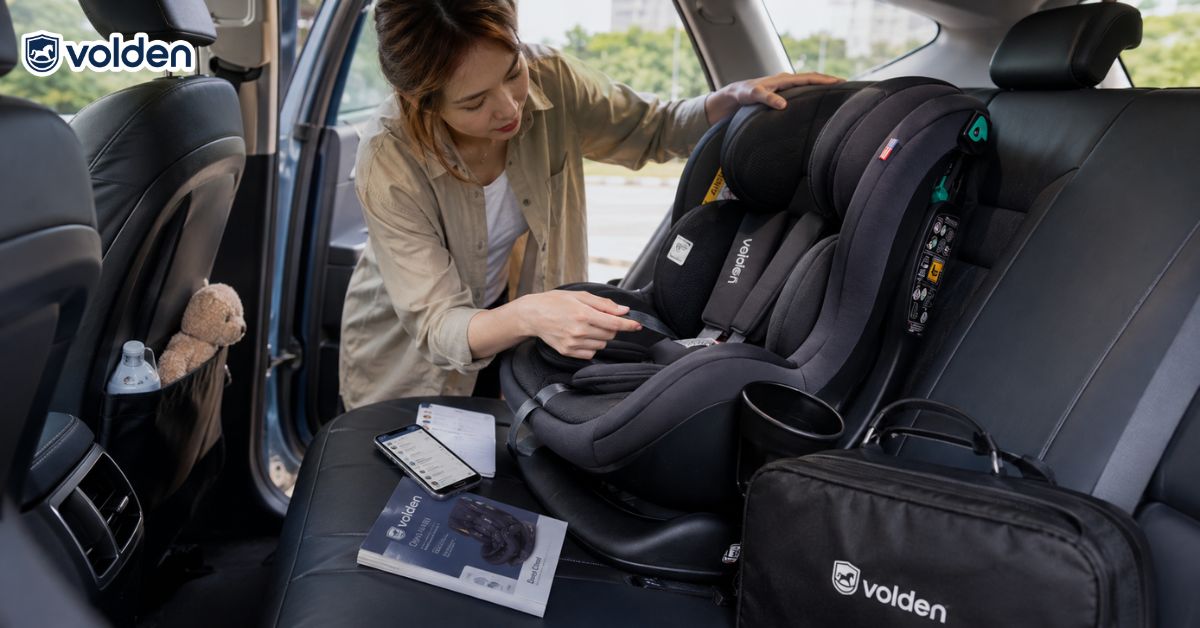
Even a very compact portable car seat may not work well in a specific seating position.
Before buying, check:
No car seat can be assumed to fit perfectly in every vehicle.
This is one of the key differences between a seat that is simply “easy to travel with” and one that can actually be used on an aircraft.
If you want your child to sit in a child restraint system, or CRS, on an airplane, check the label to confirm that the restraint is approved for that use.
Do not assume that a compact design or a product name such as “air travel car seat” means it can be used during a flight.
Booster seats are also a separate case because they rely on a vehicle’s lap-and-shoulder belt system to work properly.
Portable car seats are often purchased as secondary seats, which means used options are common.
If you are considering a used car seat, you should know:
If the product’s history is unclear, choosing another seat is usually the simpler option.
A product that weighs less than 2 pounds but is difficult to install correctly may not be the best travel option.
When choosing between two seats that are both appropriate for your child, prioritize the one you can install correctly and check quickly.
For families that frequently use rental cars or rideshare services, a straightforward installation process can make a significant difference.
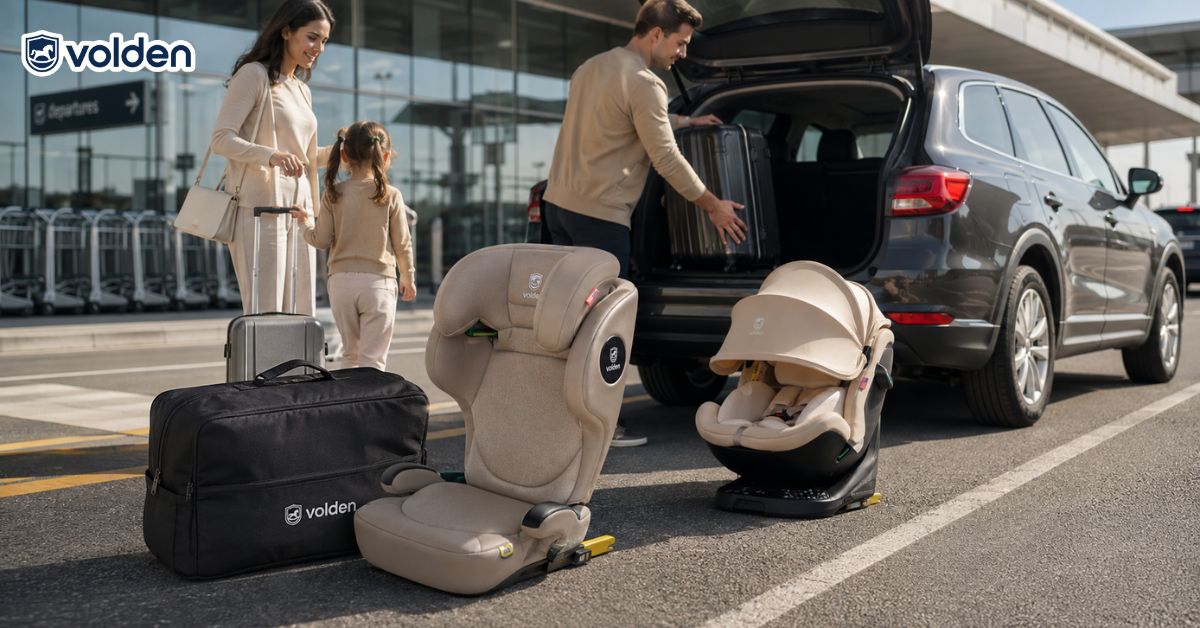
A lightweight, compact restraint can be especially valuable for families who:
Bringing your own child restraint gives parents more control instead of depending on whether the vehicle provides an appropriate seat.
A lightweight secondary seat can reduce the need to move your primary car seat from one vehicle to another every day.
For a product that is appropriate for your child and approved for aircraft use when needed, weight and overall width can become important considerations.
At the appropriate stage, a compact or foldable booster can be much easier to transport than a harnessed car seat. However, the child must truly be ready for booster use, and the vehicle seat belt must fit correctly across the child’s body.
When searching for a car seat for a family that travels frequently, parents should start with their real-world transportation needs. The right product should not only make travel easier to manage but also help parents maintain consistent, correct car-seat use whether their child is riding in the family vehicle, a rental car, or traveling far from home.